Fire detection systems are among the most critical safety investments for any home, office, or commercial building. While many people assume that once installed, these systems will work effectively forever, the truth is that fire detection technology—like any other form of technology—evolves rapidly and can become outdated over time. An old or inadequate system may fail to provide the protection needed, leaving occupants and property vulnerable. Understanding when and why to upgrade your fire detection system can make the difference between minor damage and devastating loss.
Why Fire Detection Systems Matter
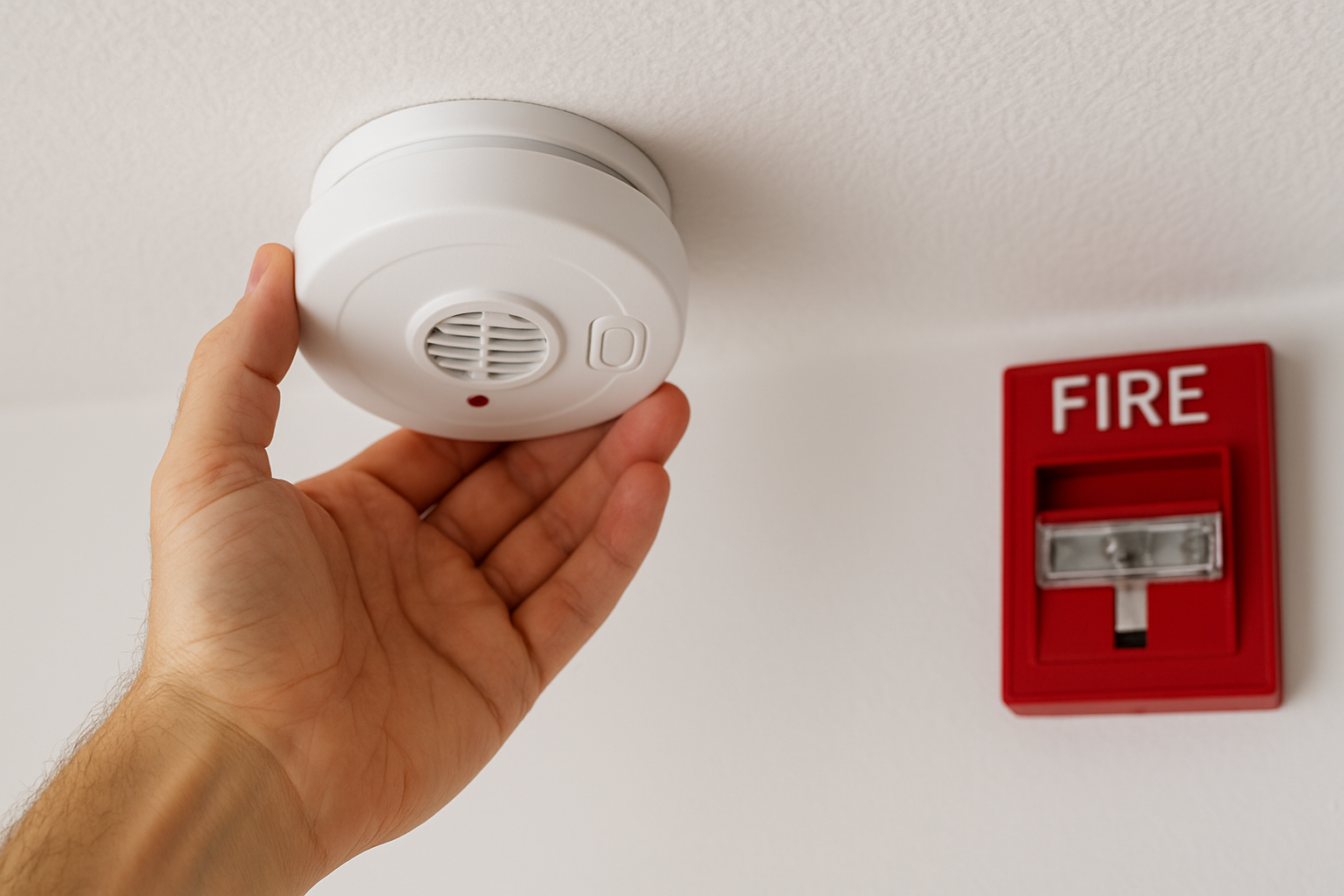
At their core, fire detection systems serve a simple but lifesaving purpose: to detect a fire in its earliest stages and alert occupants so that they can act quickly. In residential spaces, this often means smoke alarms that give families precious minutes to escape. In commercial or industrial settings, these systems are often more advanced, integrating sensors, alarms, and monitoring services to ensure both human safety and asset protection.
But effectiveness depends not just on having a system, but on having a system that is up to date, well-maintained, and suited to the specific environment. Outdated systems can suffer from slow response times, false alarms, or complete failure to detect certain types of fires.
Signs It’s Time to Upgrade
Knowing when to upgrade isn’t always obvious, but here are the most common signs:
- Age of the System
Most fire detection systems have a recommended lifespan of 10–15 years. If yours is older, chances are the components are worn, less reliable, and not compliant with current standards. - Frequent False Alarms
Repeated false alarms not only cause unnecessary panic but may also lead to complacency—people may start ignoring alarms, assuming they are false. This is often a sign that detectors are outdated or improperly calibrated. - Changes in Regulations or Building Codes
Fire safety regulations evolve as new risks and technologies emerge. A system installed 15 years ago may no longer meet today’s safety codes, leaving you legally vulnerable and less protected. - Renovations or Changes in Building Use
If your building has been renovated, expanded, or repurposed, the original system may no longer provide adequate coverage. For example, converting storage space into office areas may require additional detectors and alarms. - Integration Needs
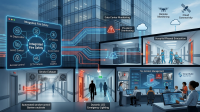
Modern fire detection systems can integrate with building management systems, security alarms, and emergency lighting. If your system cannot integrate with other safety technologies, it may be time to upgrade. - Difficulty Finding Replacement Parts
When replacement components for your system are no longer manufactured, maintenance becomes challenging and expensive. This is a clear indicator that an upgrade is due.
Why Upgrading Is Essential
Upgrading a fire detection system is not just about compliance—it’s about safety, efficiency, and peace of mind. Here are the key reasons:
- Improved Detection Technology
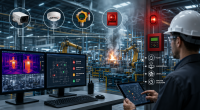
Modern systems use advanced sensors that can distinguish between smoke, heat, and even carbon monoxide, reducing false alarms while ensuring accurate detection. Some are designed to recognize slow-smoldering fires as well as fast-flaming ones. - Faster Response Times
Up-to-date systems provide quicker alerts, giving occupants more time to evacuate and emergency responders more time to act. Every second counts in a fire emergency. - Better Connectivity
Today’s systems can be connected to central monitoring services, sending alerts directly to fire departments or building managers. Wireless technology also allows for easier installation and expansion. - Energy and Cost Efficiency
While an upgrade requires upfront investment, modern systems are often more energy-efficient and require less maintenance, reducing long-term costs. - Compliance and Liability
Maintaining compliance with fire codes and insurance requirements reduces liability risks. In the event of a fire, having an outdated system could impact insurance claims and legal responsibilities. - Perhaps the most valuable reason of all: knowing that you, your employees, your tenants, or your family are protected by the latest and most reliable technology.
Choosing the Right Upgrade
When upgrading, it’s important to evaluate your specific needs:
- For Homes: Consider interconnected smoke alarms, smart detectors that send alerts to your phone, and combination units that detect smoke and carbon monoxide.
- For Businesses: Look at networked detection systems, voice evacuation alarms, and integration with sprinklers or suppression systems.
- For Large Facilities: Explore advanced systems with addressable detectors, which allow pinpoint identification of the exact location of a fire within the building.
Always consult with a certified fire safety professional to assess your property and recommend a system that fits your space, occupancy, and risk level.
Conclusion
A fire detection system is not a “set it and forget it” investment. As technology evolves and buildings change, so too must your approach to safety. Upgrading your fire detection system ensures compliance with modern codes, reduces false alarms, and, most importantly, protects lives and property.
The question isn’t whether you can afford to upgrade—but whether you can afford not to.