Fire safety has always been a cornerstone of building design and risk management, but in recent years, it has undergone rapid transformation. Driven by urbanization, new construction technologies, climate-related risks, and lessons learned from past tragedies, fire safety codes and standards are evolving faster than ever. For businesses, developers, and safety professionals, keeping up with these changes is no longer optional—it is essential.
The Evolution of Fire Safety Regulations
Historically, fire safety regulations were reactive. Major incidents such as the Great Fire of London led to the first structured building codes, focusing on materials and spacing to prevent fire spread. Over time, these regulations became more sophisticated, incorporating fire detection systems, suppression technologies, and evacuation planning.
Today, the approach has shifted from purely prescriptive rules to performance-based design. Instead of simply following a checklist, modern fire safety standards evaluate how a building performs under real fire conditions. This allows for more innovative architecture while still ensuring safety.
Key Drivers Behind Emerging Standards
Several factors are accelerating the development of new fire safety codes:
- Urban Density and Vertical Expansion
As cities grow upward, high-rise buildings present unique fire risks. Evacuation becomes more complex, and firefighting access is more challenging. Modern standards now emphasize compartmentation, smoke control systems, and refuge areas. - New Building Materials
The rise of engineered timber and composite materials has introduced both opportunities and risks. While sustainable, these materials behave differently under fire conditions, prompting updated testing and certification requirements. - Climate Change and Fire Risk
Increasing temperatures and extreme weather events are contributing to higher fire risks globally. Regions prone to wildfires now require stricter building resilience measures, including fire-resistant façades and defensible space planning. - Technological Advancements
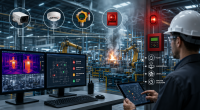
Smart fire detection systems, IoT-enabled alarms, and AI-driven risk monitoring are becoming part of modern fire safety strategies. Standards are evolving to regulate and integrate these technologies effectively.
Global Standards Shaping the Industry
Several international frameworks are influencing how fire safety is implemented worldwide:
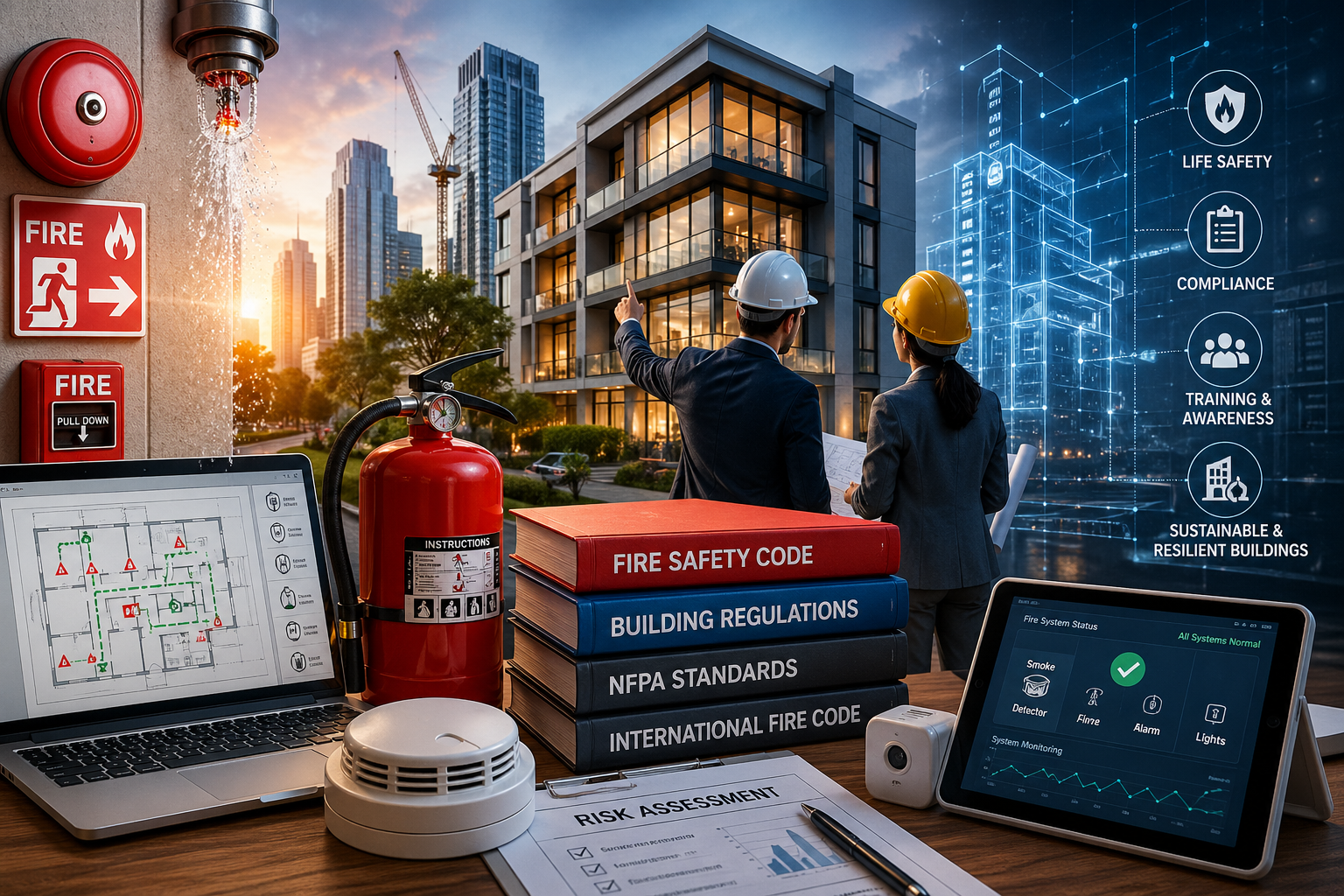
- The National Fire Protection Association (NFPA) codes, widely adopted and referenced globally, cover everything from fire alarms to life safety systems.
- The International Code Council (ICC) publishes the International Fire Code (IFC), a benchmark for many countries.
- European standards, such as those aligned with the European Committee for Standardization, emphasize harmonization across member states.
These frameworks are increasingly interconnected, with many countries adapting or hybridizing them to suit local risks and infrastructure.
Lessons from Recent Fire Incidents
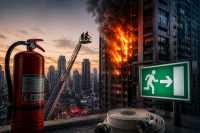
Modern codes are often shaped by high-profile disasters. The Grenfell Tower fire, for example, exposed critical gaps in façade safety, material testing, and regulatory oversight. In response, many countries introduced stricter rules on combustible cladding, inspection regimes, and accountability in construction.
Such events highlight a key trend: fire safety is no longer just about compliance—it is about accountability across the entire lifecycle of a building, from design to operation.
Emerging Trends in Fire Safety Codes
- Performance-Based Design
Engineers now use simulations and modeling to predict fire behavior, allowing for more flexible yet safe building designs. - Integrated Fire Protection Systems
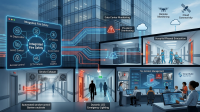
Modern standards emphasize the integration of detection, alarm, suppression, and smoke management systems into a cohesive strategy. - Human-Centric Evacuation Planning
There is growing focus on how people actually behave during emergencies. This includes improved signage, voice evacuation systems, and accessibility for vulnerable occupants. - Digital Compliance and Smart Monitoring
Digital twins and real-time monitoring systems are being incorporated into fire safety management, enabling proactive risk identification.
Implications for Businesses and Developers
Adapting to emerging fire safety codes requires more than technical compliance. Organizations must:
- Invest in continuous training and certification
- Collaborate with fire safety engineers early in the design phase
- Conduct regular audits and system upgrades
- Stay informed about regulatory updates in their operating regions
Failure to comply can result not only in legal penalties but also in reputational damage and increased liability.
The Role of Fire Safety Culture
While codes and standards provide a framework, true safety comes from culture. Organizations that prioritize fire risk awareness, conduct regular drills, and empower employees to act during emergencies are far more resilient.
Fire safety is no longer a one-time checklist—it is an ongoing commitment that evolves alongside technology, architecture, and environmental challenges.
Conclusion
Understanding emerging fire safety codes and standards is critical in today’s rapidly changing built environment. As regulations shift toward performance-based, technology-driven, and human-centered approaches, stakeholders must remain proactive and informed.
Ultimately, the goal of these evolving standards is not just compliance, but the protection of lives, assets, and communities. In a world where risks are becoming more complex, staying ahead of fire safety developments is both a responsibility and a necessity.