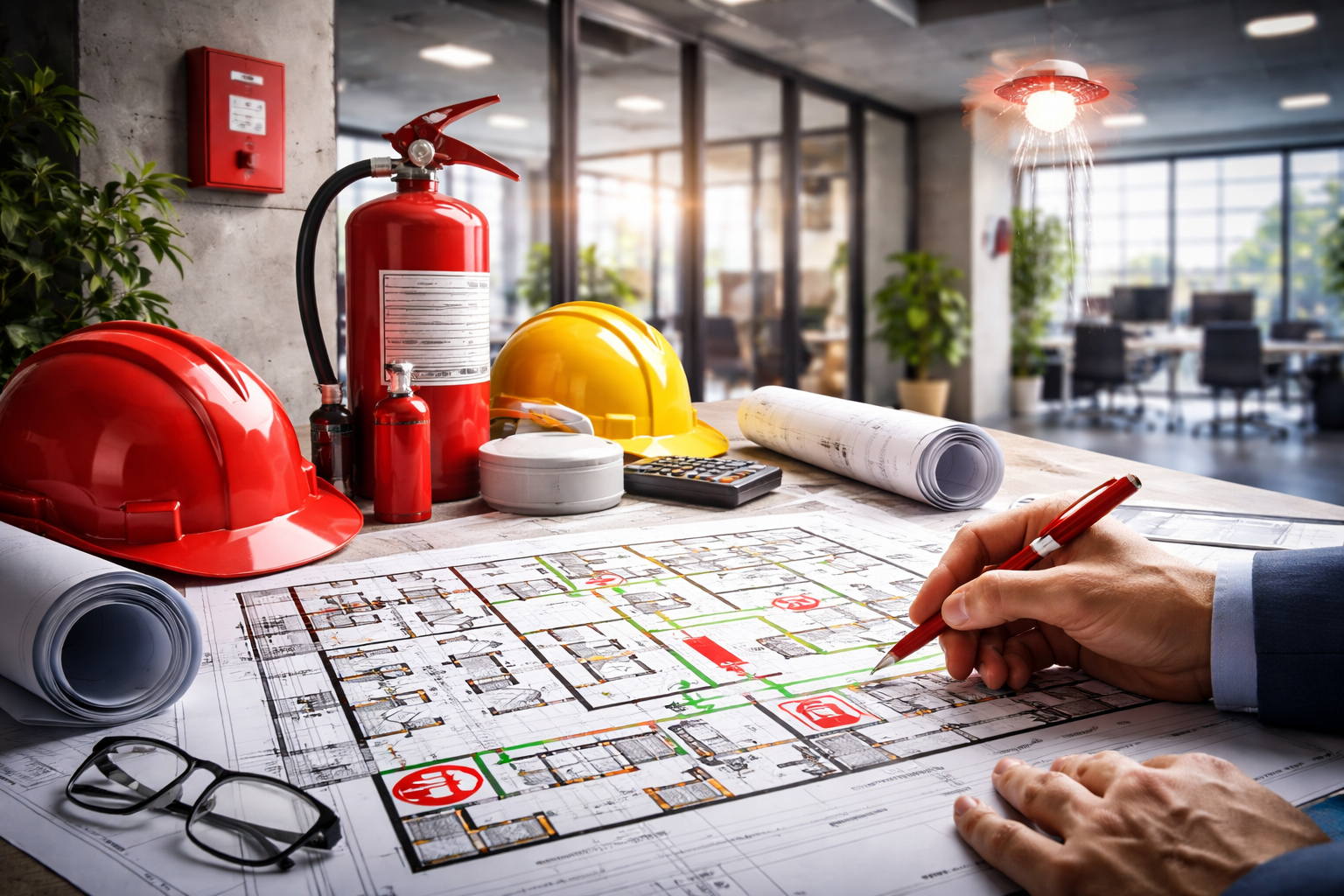
Creating a fire-safe workspace is not just about meeting regulatory requirements—it’s about protecting lives, safeguarding assets, and ensuring business continuity. When fire safety is integrated from the earliest stages of design, organizations can significantly reduce risks while building environments that are both functional and resilient.
Why Fire Safety Should Start at the Design Stage
Too often, fire protection is treated as an afterthought—something to be added once construction is complete. This approach can lead to inefficiencies, higher costs, and compromised safety. Designing with fire safety in mind from the ground up allows for seamless integration of systems, smarter layouts, and better compliance with safety standards.
Early planning ensures that evacuation routes, fire suppression systems, and detection technologies are not only present but optimized for the specific workspace.
Strategic Layout and Space Planning
The physical layout of a workspace plays a crucial role in fire prevention and response. Designers should prioritize:
- Clear evacuation routes that are easy to access and well-marked
- Adequate spacing between equipment to prevent fire spread
- Fire-resistant materials in walls, ceilings, and furnishings
- Zoning of high-risk areas, such as electrical rooms or kitchens
A well-planned layout minimizes confusion during emergencies and helps contain potential fire hazards.
Integrating Fire Detection and Alarm Systems
Modern fire-safe workspaces rely on advanced detection systems that provide early warnings. These include:
- Smoke detectors and heat sensors strategically placed throughout the building
- Intelligent fire alarm systems that can pinpoint the exact location of a fire
- Integration with building management systems for automated responses
Early detection is critical—it buys valuable time for evacuation and emergency response.
Effective Fire Suppression Solutions
Fire suppression systems should be tailored to the specific risks of the workspace. Common solutions include:
- Sprinkler systems for general fire protection
- Clean agent systems for data centers and sensitive equipment
- Fire extinguishers placed in accessible and visible locations
Choosing the right suppression method ensures that fires can be controlled quickly without causing unnecessary damage.
Electrical and Equipment Safety
Electrical faults are one of the leading causes of workplace fires. Designing a fire-safe workspace means:
- Using high-quality wiring and components
- Avoiding circuit overloads through proper load distribution
- Incorporating surge protection and regular maintenance plans
Equipment should also be positioned to allow proper ventilation and prevent overheating.
Human-Centered Safety Design
Even the best systems are ineffective without proper human interaction. A fire-safe workspace should include:
- Clear signage and emergency lighting
- Regular fire drills and employee training
- Easy access to exits and safety equipment
Designing with people in mind ensures that everyone knows how to respond quickly and effectively in an emergency.
Compliance and Future-Proofing
Adhering to local fire safety regulations is essential, but forward-thinking design goes beyond minimum compliance. Businesses should consider:
- Scalable systems that can adapt to future expansions
- Smart technologies for real-time monitoring and alerts
- Sustainable materials that also offer fire resistance
Future-proofing ensures long-term safety and cost efficiency.
Conclusion
Designing fire-safe workspaces from the ground up is an investment in safety, resilience, and peace of mind. By integrating fire protection into every stage of planning and design, organizations can create environments that not only meet standards but exceed them.
A proactive approach to fire safety doesn’t just protect buildings—it protects the people and operations within them.