As 2025 comes to a close, the fire protection landscape looks significantly more advanced, interconnected, and data-driven than ever before. Over the past year, the industry has embraced smarter technologies, shifted priorities in system design, and deepened its focus on sustainability and building resilience. This review highlights the major trends, breakthroughs, and lessons that shaped fire safety in 2025—offering a comprehensive look at where the industry stands and where it’s going next.
- Smart Buildings Moved to Fully Predictive Fire Safety
For years, “smart fire protection” meant automated alarms and remote monitoring. In 2025, it evolved into predictive fire safety.
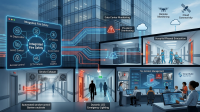
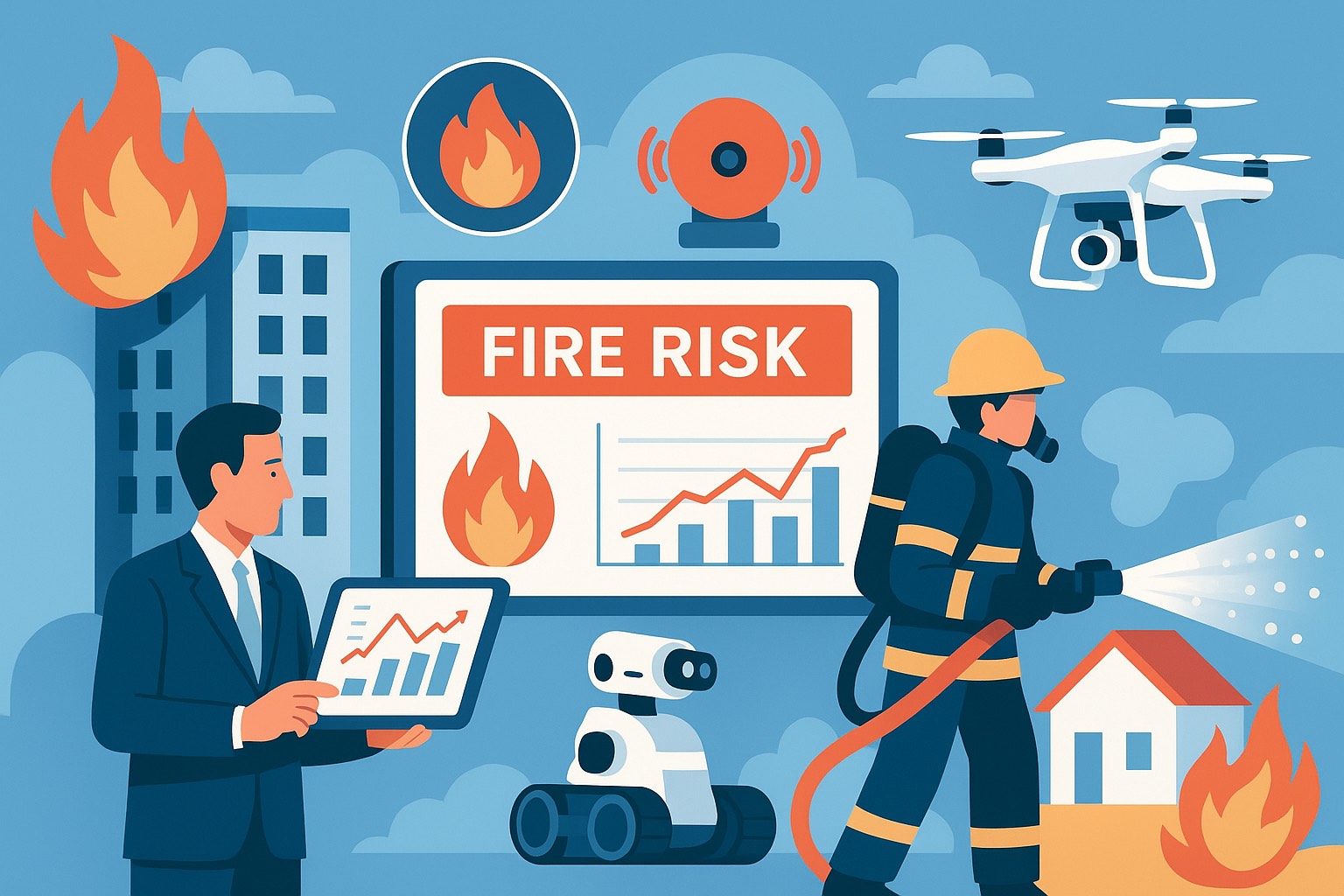
Key advancements this year:- AI-driven fire risk scoring: Buildings now use continuous data—from HVAC patterns, equipment heat signatures, occupancy movement, and flammable material detection—to calculate real-time fire risk levels.
- Advanced smoke analytics: Multi-sensor detectors analyze particle size, room airflow, and temperature deviations to reduce false alarms by up to 90%.
- Machine-learning suppression response: New suppression systems automatically adjust water mist density, foam concentration, or gas dispersion speed based on the fire’s heat profile and spread rate.
This shift enabled facility managers to anticipate fire hazards days or even weeks before ignition, marking one of the most transformative changes in the last decade.
- Lithium-Ion Battery Fire Management Became a Priority
The rise of electric vehicles, scooters, and battery storage systems pushed the industry to invest heavily in lithium-ion fire mitigation.
What changed in 2025:- Thermal runaway isolation cabinets became standard for EV workshops and logistics warehouses.
- Off-gas detectors—which catch chemical leaks before temperature spikes—saw widespread adoption.
- Fire services adopted specialized coolant injection systems that rapidly cool battery cells internally, cutting suppression time dramatically.
Buildings that handle large quantities of batteries—such as data centers, energy storage facilities, and e-commerce warehouses—now require dedicated battery fire zones and ventilation plans.
- Water-Free and Hybrid Suppression Systems Surged
As water scarcity intensified globally, 2025 saw a significant rise in water-free suppression solutions.
Top systems this year:- Clean agent systems (FK-5-1-12) expanded into hospitals, museums, and server rooms due to low environmental impact.
- Hybrid nitrogen-water mist solutions grew popular for industrial plants and food processing facilities.
- Aerosol-based suppression gained traction in small commercial applications thanks to easy installation and minimal cleanup.
These systems helped businesses reduce water damage risk, cut maintenance costs, and support sustainability goals.
- Fire Safety Regulation Tightened Worldwide
Following several high-profile fires between 2023–2024, global regulators implemented some of the strictest fire protection updates in recent years.
2025 regulatory highlights:- Mandatory digital inspection logs, phasing out paper-based reporting.
- Stricter façade fire testing, especially for composite panels.
- Higher standards for warehouse rack storage due to increased automation and taller shelving.
- Heat-detection cable requirements in tunnels, data centers, and high-risk industrial buildings.
These changes not only tightened compliance but also pushed manufacturers to innovate faster.
- Robotics and Drones Entered Mainstream Fire Response
2025 marked the first year that autonomous fire response tools became operational across multiple industries.
Notable deployments:- Firefighting drones for warehouse ceiling inspections, high-rise exterior scans, and early heat anomaly detection.
- Four-legged robotic responders that navigate hazardous zones where human entry is unsafe.
- Automated suppression robots in factories, capable of extinguishing small fires before human teams arrive.
These technologies reduced exposure to extreme temperatures and toxins, improving firefighter safety and operational efficiency.
- EV Charging Infrastructure Got Its Own Fire Standards
As electric vehicle adoption skyrocketed, so did the demand for safe charging stations.
2025 improvements included:- Embedded thermal cut-offs in charging units.
- Arc-fault circuit interrupters specifically redesigned for high-power chargers.
- Smart load-balancing software that prevents overheating from continuous charging cycles.
- Fire-resistant cable trays and conduits for indoor parking structures.
Municipal codes in many countries now require specialized fire suppression around fast-charging hubs, especially in enclosed spaces.
- Data Centers Became the New Epicenter of Fire Innovation
With data traffic hitting record highs, protecting digital infrastructure became a national priority.
New standards and practices in 2025:- Early-warning aspirating detection with micro-level sensitivity.
- Zoned gas suppression that prevents full-room discharge, reducing downtime.
- Server-level thermal management that instantly shuts down overheating racks.
- AI-driven airflow modeling to eliminate hot spots that could spark fires.
These upgrades dramatically improved reliability in the world’s most critical facilities.
- Human Training Adapted to the High-Tech Era
With complex systems now standard, companies overhauled their fire safety training to match modern infrastructure.
Trends that defined 2025:- VR fire simulations that replicate warehouse, kitchen, chemical, and battery fires.
- Digital twins used to practice evacuation and emergency response.
- AI-driven skill assessments to identify gaps in employees’ fire safety knowledge.
These tools made fire training more engaging, accurate, and tailored to real building behavior.
- Sustainability Became a Core Component of Fire Protection
2025’s environmental demands pushed fire solutions to become more eco-conscious.
Major green initiatives:- Phasing out high-GWP fire suppression agents.
- Recyclable cylinder materials for clean agent systems.
- Water-efficient sprinkler head designs.
- Eco-friendly fire-resistant building materials.
Sustainable fire protection is no longer optional—it’s becoming a global expectation.
- The Future: What to Expect Beyond 2025
Based on this year’s trajectory, the next era of fire protection will likely include:- Fully autonomous building fire defense networks
- City-wide fire prediction systems analyzing traffic, weather, and energy usage
- More sophisticated battery fire testing standards
- Widespread adoption of digital fire passports that store a building’s lifetime safety record
The industry is poised for unprecedented transformation, combining engineering, AI, and sustainability to create safer built environments worldwide.
Final Thoughts
2025 was a defining year for fire protection—one where technology and safety converged like never before. With smarter systems, stronger regulations, and a global focus on resilience, the world has taken a major step forward in preventing and responding to fire risks.