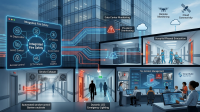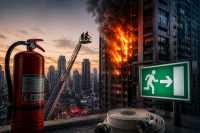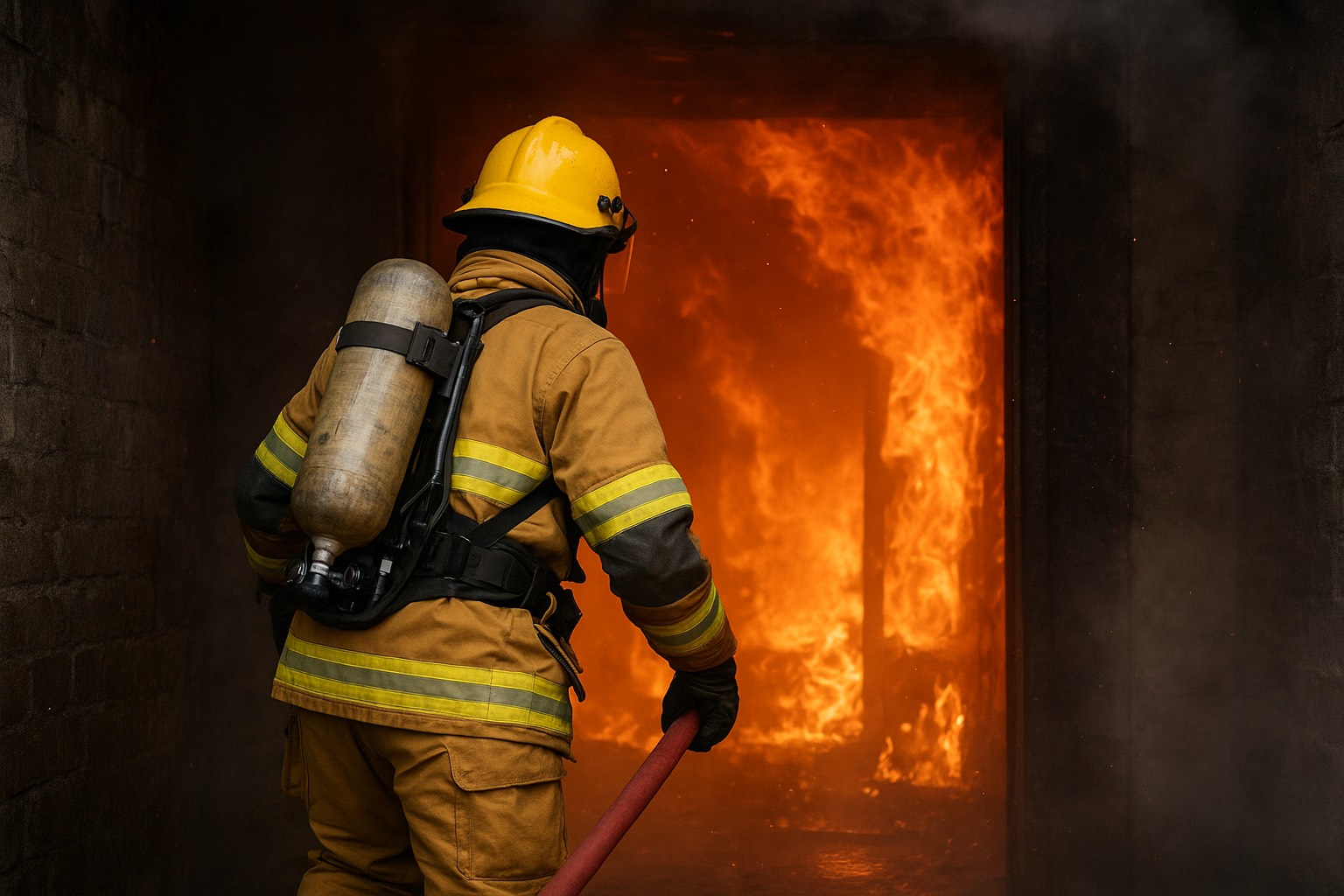
In emergencies, every second counts. When a fire breaks out, the ability of your fire response team to act quickly and efficiently can mean the difference between a contained incident and a devastating disaster. Properly equipping your team is not just about having the right tools—it’s about ensuring they are trained, organized, and ready for immediate deployment. Below, we’ll explore how to strategically equip your fire response team for swift and effective action.
- Start with a Comprehensive Risk Assessment
Before deciding what equipment your fire response team needs, it’s essential to understand the specific risks your environment presents.- Identify fire hazards: Evaluate flammable materials, potential ignition sources, and areas prone to overheating.
- Assess building layout: Consider the size, number of floors, accessibility, and evacuation routes.
- Determine potential fire scenarios: For example, a warehouse storing chemicals may need different equipment than an office building or a residential complex.
This assessment forms the foundation of your response plan, allowing you to tailor your equipment and procedures to real-world threats rather than generic situations.
- Equip with Reliable Firefighting Tools
Having the right equipment is critical. Each member of the fire response team should have access to tools that enable quick action without wasting time searching for missing gear. Essential equipment includes:- Personal Protective Equipment (PPE)
- Fire-resistant suits: Protect team members from intense heat and flames.
- Gloves and boots: Insulated and flame-retardant to ensure mobility and safety.
- Helmets with visors: Shield against falling debris, sparks, and smoke.
- Breathing apparatus: Essential for operating in smoke-filled or low-oxygen environments.
- Fire Suppression Equipment
- Fire extinguishers: Strategically placed throughout the facility, with appropriate types for various fire classes (A, B, C, D, K).
- Fire hoses and hydrants: Regularly maintained and tested to ensure proper pressure and reach.
- Fire blankets: Useful for smothering small fires or wrapping around individuals to protect them from flames.
- Communication Devices
- Two-way radios: Reliable communication is crucial for coordination. Radios should be hands-free where possible and have a secure, dedicated channel.
- Alarm and PA systems: To alert occupants and direct them efficiently during an emergency.
- Backup communication: Power failures can disrupt systems, so include battery-operated or satellite communication tools if necessary.
- Personal Protective Equipment (PPE)
- Establish Strategic Equipment Placement
Even the best equipment is useless if it’s not accessible. Speed relies on strategic placement:- High-risk zones: Place fire extinguishers, hoses, and alarm pull stations near kitchens, electrical rooms, and storage areas.
- Clear pathways: Ensure equipment is never obstructed by furniture, boxes, or clutter.
- Standardized locations: Keep equipment in consistent, clearly marked places so every team member knows exactly where to go.
Regular inspections should confirm that everything is in working order and easy to access in an emergency.
- Invest in Training and Drills
Equipment alone doesn’t save lives—trained people do. Conduct thorough and frequent training sessions to build familiarity and confidence:- Basic firefighting techniques: All team members should know how to use extinguishers, hoses, and breathing apparatus.
- Evacuation and search procedures: Teach how to safely guide occupants, locate missing individuals, and move through smoke-filled environments.
- Team coordination: Assign clear roles (e.g., suppression, evacuation leader, communication officer) so there’s no confusion when action is needed.
- Realistic drills: Conduct regular fire drills that simulate actual scenarios, including blocked exits, communication breakdowns, or rapid fire spread. This prepares the team to adapt under pressure.
- Implement a Clear Command Structure
In chaotic situations, chain of command is crucial. A well-defined structure allows decisions to be made quickly and eliminates confusion:- Incident Commander: Oversees operations, makes key decisions, and liaises with external fire departments.
- Team Leaders: Responsible for smaller teams handling specific tasks like suppression or evacuation.
- Support Staff: Monitor equipment, manage logistics, and assist with communication.
Everyone must understand their role before a real emergency happens.
- Use Technology to Your Advantage
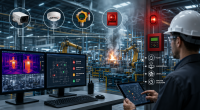
Modern technology can greatly enhance your team’s response capabilities:- Fire detection systems: Advanced sensors and alarms can detect fires earlier and pinpoint exact locations.
- Thermal imaging cameras: Help identify hotspots, trapped individuals, or hidden fire sources.
- Mobile apps and dashboards: Provide real-time updates, evacuation status, and equipment tracking.
- Automated suppression systems: Sprinklers and gas suppression systems can control fires before teams even arrive.
Integrating these tools into your fire response plan gives your team a significant head start.
- Maintain and Inspect Equipment Regularly
Quick action is only possible when equipment works perfectly. Schedule routine inspections to ensure everything is ready:- Monthly checks: Inspect extinguishers, hoses, alarms, and PPE for damage or expiration.
- Annual servicing: Engage certified technicians to maintain critical systems like hydrants and alarm networks.
- Record keeping: Maintain logs of inspections, replacements, and training to ensure accountability and compliance with safety regulations.
- Coordinate with External Fire Services
Internal fire response teams are often the first line of defense, but professional firefighters will ultimately take control.- Share building layouts and risks: Make sure local fire departments have up-to-date floor plans and hazard lists.
- Joint drills: Conduct periodic joint exercises to build familiarity and cooperation.
- Clear access routes: Keep entrances, hydrants, and emergency lanes unobstructed at all times for rapid arrival of fire trucks.
This coordination ensures a seamless handover and accelerates overall response time.
- Review and Improve After Every Incident or Drill
Continuous improvement keeps your fire response strategy sharp:- Debrief sessions: After every drill or real incident, gather the team to discuss what went well and what can be improved.
- Update procedures: Revise protocols based on feedback and evolving risks.
- Refresh training: Address gaps identified during reviews with targeted exercises.
This cycle of review and enhancement ensures your team gets faster and more effective over time.
Conclusion
Equipping your fire response team for quick action involves much more than buying gear. It requires planning, organization, training, maintenance, and communication. By combining the right tools with a well-prepared, confident team, you can ensure that when a fire breaks out, your response is immediate, coordinated, and effective. Quick action doesn’t happen by chance—it’s the result of thoughtful preparation.