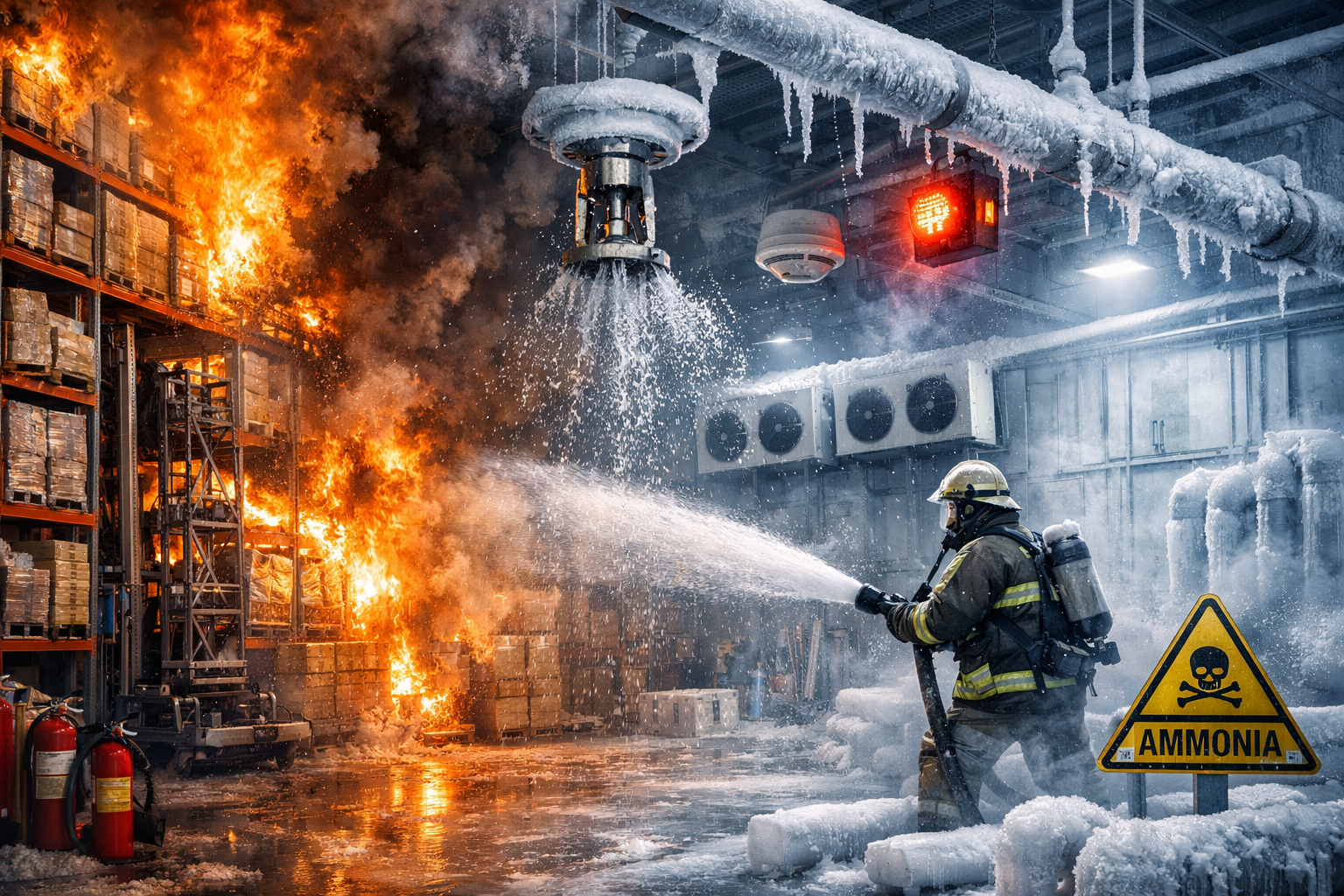
Cold storage and freezer warehouses play a critical role in preserving perishable goods such as food products, pharmaceuticals, and sensitive chemical materials. As global supply chains expand and demand for temperature-controlled storage grows, these facilities are becoming larger, more automated, and increasingly complex. However, alongside these advancements comes a unique set of fire safety challenges that differ significantly from conventional warehouses. Understanding these risks and implementing appropriate fire protection strategies is essential to safeguard assets, ensure operational continuity, and protect human life.
The Unique Environment of Cold Storage Facilities
Cold storage and freezer warehouses are designed to maintain extremely low temperatures, often ranging from 0°C to -40°C or lower, depending on the stored goods. These environments rely heavily on insulation systems, refrigeration equipment, and tightly sealed building envelopes to maintain consistent internal temperatures. While these features support product preservation, they can also create conditions that increase fire hazards and complicate fire suppression efforts.
Insulation materials, particularly those used in older facilities, can be highly combustible. Expanded polystyrene (EPS), polyurethane foam, and similar materials are commonly used due to their excellent thermal performance. However, these materials can contribute significantly to fire spread if ignited. Once burning, they can produce intense heat, toxic smoke, and rapid flame propagation within concealed wall and ceiling spaces.
Additionally, cold storage facilities often operate with reduced ventilation to maintain temperature efficiency. This can result in smoke accumulation during a fire, reducing visibility and making evacuation and firefighting operations more hazardous.
Combustible Construction Materials and Fire Spread
One of the primary fire safety challenges in cold storage warehouses is the extensive use of combustible insulated panels. These panels typically consist of a foam core sandwiched between metal sheets. While metal surfaces provide some fire resistance, the internal foam can ignite under certain conditions, leading to hidden fire development within wall or ceiling cavities.
Fires involving insulated panels are particularly dangerous because they can spread undetected for extended periods. The fire may travel behind the metal surfaces, making early detection difficult. By the time flames become visible, the fire may already be well established, increasing the likelihood of structural collapse and severe property damage.
Furthermore, older cold storage buildings may not meet modern fire safety standards, increasing the risk of catastrophic fire events. Retrofitting these structures presents logistical and financial challenges, but it is often necessary to enhance safety and regulatory compliance.
Refrigeration Systems and Associated Risks
Cold storage warehouses depend on refrigeration systems that may use flammable or hazardous refrigerants, such as ammonia. While ammonia is widely used due to its efficiency and environmental benefits, it introduces additional safety concerns. Ammonia leaks can create toxic atmospheres and, in certain concentrations, pose an explosion risk.
Mechanical failures, improper maintenance, or equipment overheating can trigger fire incidents. Electrical components associated with refrigeration systems, including compressors, control panels, and wiring, can also serve as ignition sources if not properly maintained.
Given the continuous operation of refrigeration equipment, cold storage facilities must implement rigorous inspection and preventive maintenance programs to minimize fire hazards and equipment failures.
Challenges in Fire Detection Systems
Detecting fires in cold storage environments is significantly more difficult than in standard warehouses. Extremely low temperatures can impair the functionality of traditional smoke detectors, causing delayed activation or system malfunctions. Ice buildup, condensation, and frost can obstruct detection devices and reduce their sensitivity.
Air circulation patterns within freezer environments can also influence smoke movement, potentially delaying smoke reaching detection sensors. In some cases, specialized detection technologies, such as air sampling smoke detection systems or heat detection systems, are required to ensure early fire identification.
Early detection is especially critical in cold storage warehouses due to the rapid fire spread potential associated with combustible insulation materials and high-density storage configurations.
Fire Suppression System Limitations
Fire suppression in cold storage facilities presents several technical challenges. Standard water-based sprinkler systems may face freezing issues in sub-zero environments. Frozen sprinkler pipes can rupture, rendering fire suppression systems ineffective and causing costly water damage when thawing occurs.
To address this issue, facilities often utilize dry pipe or pre-action sprinkler systems. These systems keep water out of the pipes until activation, reducing freezing risks. However, they may introduce delays in water discharge compared to wet pipe systems, potentially allowing fires to grow larger before suppression begins.
In certain freezer environments, alternative suppression methods such as in-rack sprinklers, foam systems, or water mist technologies may be implemented. Each system must be carefully designed to balance fire protection effectiveness with operational practicality.
High-Piled Storage and Commodity Hazards
Cold storage warehouses frequently use high-piled storage systems to maximize space utilization. These storage configurations can increase fire load and complicate fire suppression. The type of stored commodity also influences fire behavior. For example, packaging materials such as plastic wraps, cardboard boxes, and wooden pallets significantly contribute to fire intensity.
Automated storage and retrieval systems (ASRS), commonly used in modern cold storage facilities, add another layer of complexity. These systems involve dense storage arrangements and mechanized equipment that can act as ignition sources. Fire incidents in ASRS facilities can spread rapidly due to limited accessibility for manual firefighting efforts.
Designing effective sprinkler coverage and ensuring adequate fire separation are critical considerations in these high-density storage environments.
Limited Human Presence and Emergency Response Challenges
Cold storage warehouses often operate with minimal staffing due to automation and energy efficiency considerations. While this reduces operational costs, it also limits the number of personnel available to detect and respond to fire emergencies quickly.
Additionally, extreme cold conditions require workers to wear protective clothing that can restrict mobility and reduce situational awareness. Emergency evacuation procedures must account for these limitations, ensuring clear escape routes, proper signage, and regular safety training for employees.
Firefighting operations within freezer environments also present challenges. Low temperatures can affect firefighting equipment performance, create slippery surfaces, and increase the risk of hypothermia for emergency responders.
Regulatory Compliance and Risk Management
Fire safety regulations for cold storage facilities vary across jurisdictions but generally require specialized design and operational measures. Compliance with recognized fire protection standards and building codes is essential to minimize fire risks and protect investments.
Risk assessments should consider factors such as building construction materials, storage arrangements, refrigeration systems, and fire protection infrastructure. Regular safety audits, system testing, and employee training programs play a vital role in maintaining a high level of fire preparedness.
Insurance providers often impose additional fire protection requirements for cold storage warehouses due to their high-value contents and elevated fire risk. Facilities that invest in advanced fire safety technologies and proactive risk management strategies may benefit from reduced insurance premiums and improved operational resilience.
The Importance of Integrated Fire Protection Strategies
Effective fire safety in cold storage and freezer warehouses requires a holistic approach that integrates prevention, detection, suppression, and emergency response planning. Facility designers, fire protection engineers, and warehouse operators must collaborate to ensure that fire safety systems are compatible with the unique environmental and operational characteristics of cold storage facilities.
Preventive measures, including the use of fire-resistant insulation materials, proper electrical system maintenance, and safe storage practices, are essential in reducing ignition risks. Advanced detection technologies can provide early fire warning, while specialized suppression systems can control fires before they escalate into catastrophic events.
Conclusion
Cold storage and freezer warehouses are essential components of modern supply chains, supporting industries ranging from food distribution to pharmaceuticals. However, their specialized design, combustible materials, and extreme operating conditions present significant fire safety challenges.
Addressing these challenges requires a comprehensive understanding of fire risks and the implementation of tailored fire protection solutions. By investing in advanced detection systems, reliable suppression technologies, and robust safety management programs, cold storage operators can enhance facility safety, protect valuable assets, and ensure uninterrupted operations in an increasingly demanding global marketplace.