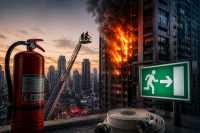
Fire emergencies can strike unexpectedly, posing a serious threat to your employees, customers, property, and business continuity. Whether you run a small retail shop, a bustling restaurant, or a large corporate office, having a solid fire safety plan is essential to protect lives and minimize damage. This comprehensive guide will walk you through how to prepare for, respond to, and recover from fire emergencies as a business owner.
Understanding Fire Risks in the Workplace
Every business environment carries unique fire hazards. Recognizing these risks is the first step toward prevention.
- Electrical hazards: Overloaded power sockets, faulty wiring, and outdated electrical equipment are leading causes of workplace fires.
- Kitchen fires: Restaurants, cafeterias, and break rooms are prone to grease fires and cooking-related incidents.
- Flammable materials: Warehouses, manufacturing facilities, or offices with large paper storage can accelerate fire spread.
- Human error: Careless smoking, unattended equipment, or improper handling of flammable substances can quickly escalate into a fire.
Conducting a fire risk assessment regularly allows you to identify potential hazards, evaluate existing control measures, and address vulnerabilities before a fire occurs.
Creating a Fire Safety Plan
A fire safety plan is your business’s blueprint for preventing and managing fire emergencies. It should be written, clear, and shared with all employees. Your plan should include:
- Emergency evacuation procedures
Map out escape routes, emergency exits, and assembly points. Ensure that routes are clearly marked, well-lit, and free of obstacles. - Roles and responsibilities
Designate fire wardens or emergency response team members responsible for guiding evacuations, checking rooms, or assisting people with disabilities. - Communication protocols
Establish how alarms will be sounded, who will call emergency services, and how information will be relayed to employees and customers. - Equipment locations
Identify where fire extinguishers, fire blankets, alarms, and sprinkler systems are located, and ensure everyone knows how to use them properly.
A strong fire safety plan ensures that in the event of a fire, everyone knows what to do, where to go, and how to stay safe.
Installing and Maintaining Fire Safety Equipment
Fire safety equipment is your first line of defense. As a business owner, it’s your responsibility to ensure all systems are installed correctly and maintained regularly. Essential equipment includes:
- Fire alarms and smoke detectors – Install them in all critical areas and test them regularly.
- Fire extinguishers – Different fires require different extinguishers (e.g., foam, CO₂, powder). Ensure your staff is trained to use them.
- Sprinkler systems – Automatic sprinklers can contain or extinguish fires before emergency services arrive.
- Emergency lighting – Helps guide people safely out of the building during power outages or heavy smoke.
Regular inspections and maintenance should be scheduled to comply with local fire codes and regulations. Keep records of all checks, repairs, and training sessions.
Training Employees and Conducting Fire Drills
Even the most detailed fire plan is ineffective if employees don’t know how to execute it. Ongoing training and drills are crucial.
- Orientation training: New employees should receive fire safety instruction during onboarding.
- Annual refreshers: Reinforce procedures at least once a year to ensure information stays fresh.
- Fire extinguisher training: Practical sessions give staff confidence to use equipment in real emergencies.
- Evacuation drills: Conduct regular fire drills to test your procedures and identify areas for improvement. Involve all departments and evaluate response times.
A well-trained workforce reacts calmly and efficiently during a fire, reducing confusion and panic.
Responding to a Fire Emergency
When a fire occurs, every second counts. A clear, practiced response can save lives and reduce damage.
Step 1: Raise the alarm
Activate the nearest fire alarm or use your established communication method to alert everyone immediately.
Step 2: Call emergency services
Dial your local emergency number and provide clear details about the fire’s location, size, and any hazards present.
Step 3: Evacuate the building
Guide everyone to the nearest safe exit. Do not use elevators, and close doors behind you to contain the fire.
Step 4: Account for all personnel
At the assembly point, conduct a headcount to ensure everyone is safe and report any missing persons to firefighters.
Step 5: Use extinguishers only if safe
If the fire is small and manageable, trained staff may use extinguishers. If not, focus on evacuation and let professionals handle the blaze.
Communicating During and After a Fire
Clear communication is vital during a crisis. Use multiple channels (alarms, PA systems, text alerts) to keep everyone informed. After the fire is under control:
- Notify employees, customers, and stakeholders about the situation and next steps.
- Coordinate with emergency services to assess damage and receive clearance before re-entering the premises.
- Contact insurance providers to begin the claims process.
- Document the incident thoroughly for legal and regulatory compliance.
Transparent, timely communication helps maintain trust and ensures a smooth recovery process.
Recovery and Business Continuity
Fires can disrupt business operations for days or even months. Having a business continuity plan (BCP) helps minimize downtime.
- Assess the damage: Work with insurance adjusters and fire inspectors to evaluate the impact on your property and assets.
- Restore critical operations: Identify essential functions that must resume quickly, such as IT systems, supply chains, or customer service.
- Implement temporary solutions: Relocate to alternate premises or use remote work arrangements if necessary.
- Support employees: Provide guidance, emotional support, or temporary work adjustments for affected staff.
- Review and improve: Analyze what went well and what didn’t during the emergency to strengthen future preparedness.
Legal Responsibilities and Compliance
Business owners are legally required to meet fire safety standards set by local authorities. This typically includes:
- Obtaining fire safety certificates or permits
- Following building codes and fire regulations
- Keeping safety equipment in working order
- Conducting regular fire drills and training
- Maintaining accessible evacuation routes
Non-compliance can lead to hefty fines, legal action, or even business closure. Regular audits help ensure your business stays within legal boundaries.
Conclusion
Dealing with fire emergencies goes beyond simply reacting when flames appear—it’s about being proactive, preparing your team, and protecting your business. By conducting risk assessments, creating a clear safety plan, training employees, and maintaining compliance, you can greatly reduce the impact of a fire emergency.
A well-prepared business not only safeguards lives but also ensures resilience and quicker recovery after a crisis. Fire safety is an investment that pays off in peace of mind, legal security, and business continuity.