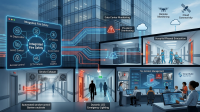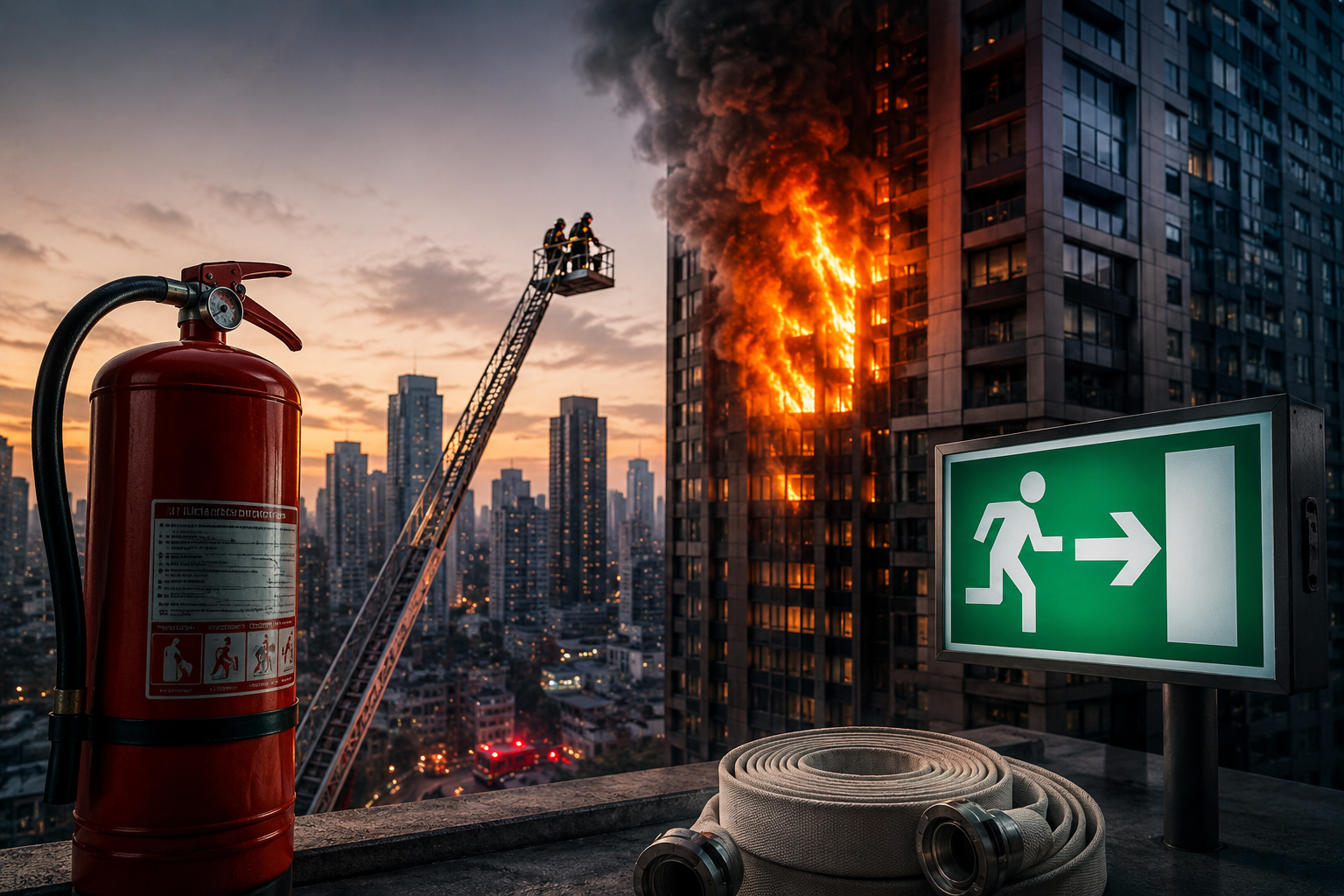
As cities continue to grow vertically, high-rise buildings have become an essential part of modern urban landscapes. From residential apartments and office towers to hotels and mixed-use developments, these structures accommodate thousands of people every day. While they offer numerous advantages, they also present unique fire safety challenges. Fire incidents in high-rise buildings have demonstrated that even a relatively small fire can escalate into a major emergency if prevention, detection, and response systems are inadequate.
Examining past fire incidents provides valuable insights into how building owners, facility managers, and occupants can better prepare for emergencies. By understanding these lessons, organizations can strengthen their fire protection strategies and improve overall building resilience.
Why High-Rise Fires Are More Challenging
Unlike low-rise buildings, high-rise structures pose additional difficulties during a fire emergency. Their height can delay firefighting operations, complicate evacuation procedures, and make smoke control more challenging. Occupants on upper floors may have limited escape options, while firefighters must transport personnel and equipment through stairwells or dedicated fire lifts.
Other common challenges include:
- Rapid smoke migration through stairwells, elevator shafts, and utility ducts.
- Large occupant populations requiring organized evacuation.
- Limited accessibility for external firefighting equipment at higher floors.
- Dependence on mechanical systems such as smoke extraction and pressurization.
- Greater risk of communication breakdown during emergencies.
Because of these factors, fire safety in high-rise buildings relies heavily on well-designed protection systems and effective emergency planning.
Common Causes of High-Rise Building Fires
Although every incident differs, investigations consistently identify several recurring causes:
- Electrical Failures
Faulty wiring, overloaded circuits, damaged electrical equipment, and poor maintenance remain among the leading causes of fires in commercial and residential buildings. - Human Error
Unattended cooking, improper disposal of smoking materials, misuse of electrical appliances, and unsafe work practices frequently contribute to fire outbreaks. - Equipment Malfunctions
Heating, ventilation, air conditioning (HVAC) systems, generators, and other mechanical equipment can become ignition sources when maintenance is neglected. - Combustible Materials
Improper storage of flammable materials or combustible waste allows fires to spread more quickly once ignition occurs.
Recognizing these risks allows building operators to implement preventive maintenance and enforce safe operational practices.
Key Lessons from Past Fire Incidents
- Early Detection Saves Lives
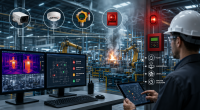
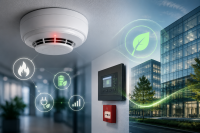
One of the most important lessons is the value of early fire detection. Modern smoke detectors, heat detectors, and intelligent fire alarm systems can identify developing fires before they grow beyond control.
Early warning enables occupants to evacuate sooner while allowing emergency responders to act quickly. Delayed detection often results in larger fires, increased smoke production, and greater property damage. - Automatic Fire Suppression Is Critical
Automatic sprinkler systems remain one of the most effective methods for controlling fires during their earliest stages. In many documented incidents, sprinkler activation has successfully contained fires before firefighters arrived.
Buildings without functioning suppression systems often experience significantly greater fire spread and structural damage. - Smoke Management Is Just as Important as Fire Control
Many fire-related fatalities occur because of smoke inhalation rather than direct exposure to flames. Smoke can rapidly fill corridors and stairwells, reducing visibility and making evacuation difficult.
Properly designed smoke control systems—including smoke exhaust fans, pressurized escape stairwells, and compartmentalization—help maintain safer evacuation routes and improve firefighter access. - Regular Maintenance Cannot Be Overlooked
Fire protection equipment must remain operational at all times. Fire alarms, sprinklers, hydrants, fire pumps, emergency lighting, exit signs, and emergency power systems require regular inspection, testing, and maintenance.
Even the most advanced systems become ineffective if they fail during an emergency due to poor upkeep. - Occupant Preparedness Makes a Significant Difference
Fire safety technology alone cannot eliminate risk. Occupants must understand evacuation procedures, emergency exits, assembly points, and appropriate responses during a fire.
Routine fire drills help reduce panic, improve evacuation efficiency, and familiarize occupants with emergency procedures before a real incident occurs.
Best Practices for Improving High-Rise Fire Safety
Organizations can significantly reduce fire risks by adopting a proactive approach that includes:
- Conducting regular fire risk assessments.
- Maintaining fire detection and suppression systems in accordance with applicable standards.
- Inspecting electrical systems and mechanical equipment routinely.
- Keeping emergency exits and evacuation routes unobstructed.
- Performing scheduled fire drills for building occupants.
- Training staff to use portable fire extinguishers safely.
- Establishing clear emergency communication procedures.
- Coordinating emergency response plans with local fire authorities.
These preventive measures help minimize both the likelihood and the consequences of fire emergencies.
The Role of Building Management
Building owners and facility managers play a central role in ensuring fire safety. Their responsibilities extend beyond regulatory compliance to include continuous monitoring, preventive maintenance, staff training, and emergency preparedness.
Investing in modern fire protection technologies, implementing comprehensive maintenance programs, and fostering a strong culture of safety can substantially reduce fire-related risks while protecting lives, property, and business continuity.
Conclusion
Fire incidents in urban high-rise buildings continue to highlight the importance of preparedness, prevention, and rapid response. While no building can eliminate fire risk entirely, effective fire protection systems, regular maintenance, early detection, reliable suppression systems, and well-trained occupants greatly improve safety outcomes.
Learning from previous fire incidents enables organizations to identify vulnerabilities before an emergency occurs. By prioritizing comprehensive fire safety measures, building owners and managers can create safer high-rise environments that protect occupants, preserve valuable assets, and ensure resilience in the face of potential fire emergencies.