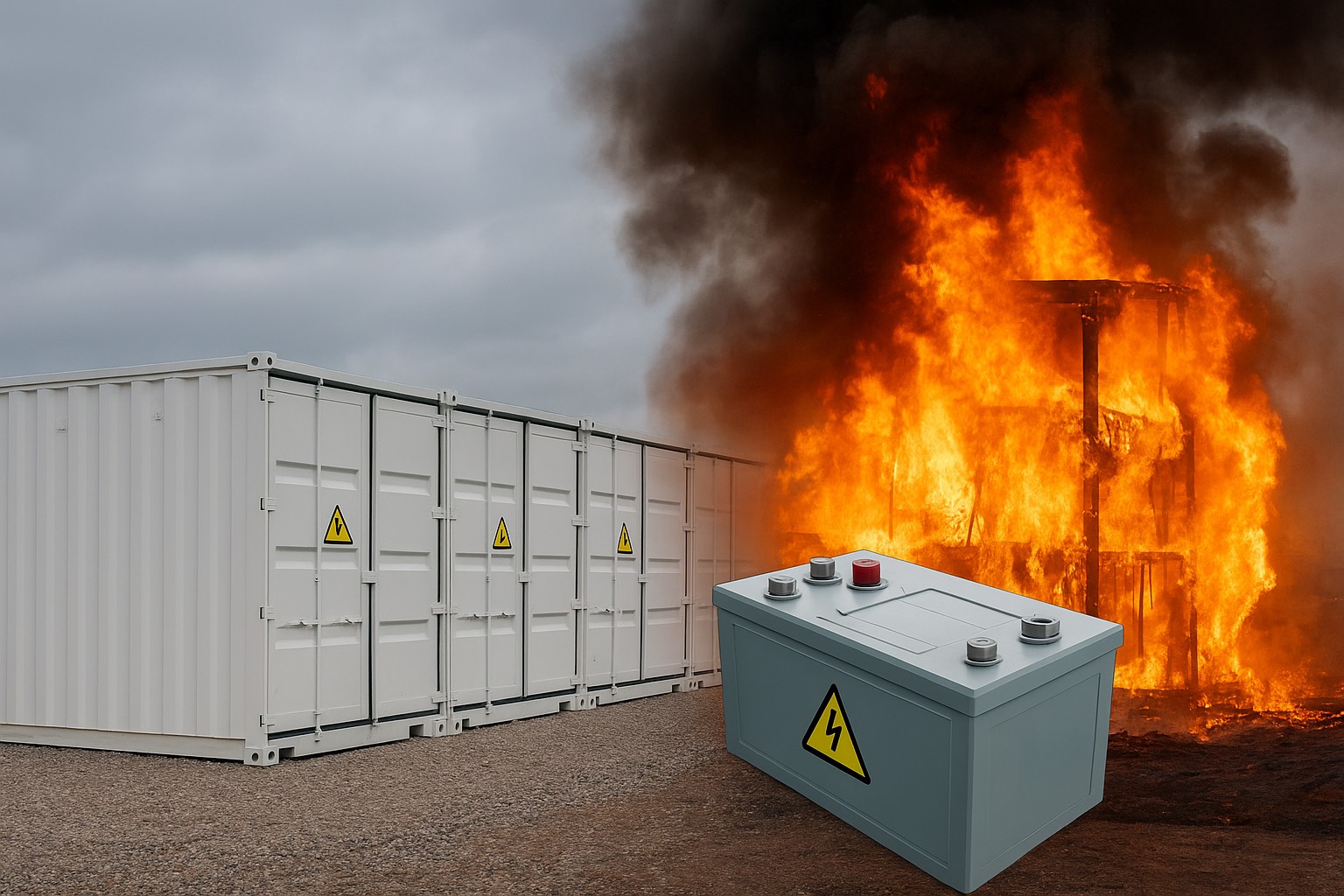
As the world accelerates toward renewable energy, battery energy storage systems (BESS) have become a cornerstone of the clean-energy transition. They enable efficient use of solar and wind power, provide grid stability, and enhance energy security.
However, this progress introduces new fire-safety challenges. Unlike traditional electrical installations, batteries can fail in complex ways that lead to intense fires, explosions, and environmental contamination.
This article explores these emerging risks — and how to manage them safely.
Why Battery Storage Systems Are Different
Battery energy storage systems concentrate large amounts of electrical and chemical energy in confined spaces. This makes their risk profile very different from that of transformers or generators.
Key differences include:
- High energy density: Lithium-ion cells can release tremendous energy if damaged or short-circuited.
- Flammable materials: The electrolyte inside many batteries is highly combustible.
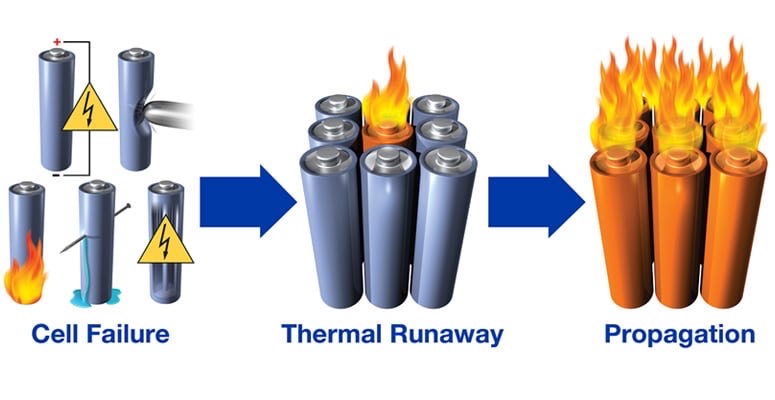
- Thermal runaway risk: Once overheated, one cell can trigger neighboring cells to ignite in a chain reaction.
- Integrated electronics: Inverters and control systems add additional ignition sources and failure modes.
Traditional fire-safety measures are not enough for these systems — a dedicated approach is required.
The Key Hazards of Battery Storage
- Thermal Runaway
The most dangerous failure mode is thermal runaway — a self-sustaining reaction inside a cell that causes rapid temperature rise, fire, or even explosion.
It can start due to overcharging, external heat, internal short circuits, or manufacturing defects. Once it begins, it’s nearly impossible to stop until all affected cells are consumed. - Off-Gassing and Explosion
Failing cells release flammable and toxic gases, such as hydrogen and hydrogen fluoride. If ventilation is inadequate, gas buildup can ignite or explode. - Fire Propagation and Re-Ignition
Even after visible flames are extinguished, hidden chemical reactions can cause the fire to reignite hours later. This makes post-incident monitoring critical. - Environmental and Health Hazards
Runoff water from battery fires may contain heavy metals and chemicals, posing environmental risks and complicating cleanup efforts.
Real-World Incidents

Recent high-profile incidents have highlighted the severity of battery fires:
- Moss Landing, California (2025): A massive BESS fire led to toxic smoke, evacuations, and soil contamination from heavy metals.
- UK E-Bike Fires (2025): Record numbers of Li-ion battery fires in homes and storage facilities prompted national warnings.
These cases demonstrate that even modern systems with advanced safeguards are vulnerable — and that failure can cause community-wide disruption.
Mitigation Strategies and Fire-Risk Management
- Safe Design and Siting
- Space battery containers apart to prevent fire spread.
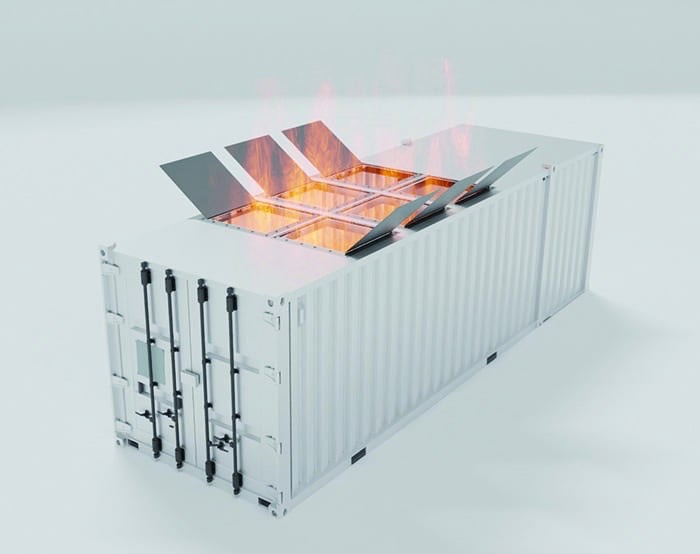
- Provide ventilation and explosion relief panels.
- Ensure fire-fighting access and safe isolation distances from buildings or vegetation.
- Fire Detection and Suppression
- Use multi-level detection (smoke, heat, and gas sensors).
- Water deluge systems are preferred to control heat and prevent propagation.
- Install fire-resistant barriers between battery modules.
- Operational Safety
- Limit state of charge (SOC) to reduce energy at risk.
- Regularly inspect batteries for swelling, corrosion, or overheating.
- Train staff on how to respond to overheating or alarm conditions.
- Emergency Response
- Plan isolation and cooling procedures before commissioning.
- Monitor for re-ignition after incidents.
- Manage fire-water runoff responsibly to prevent environmental damage.
Emerging Trends and Future Outlook
The next generation of batteries may change the fire-safety landscape:
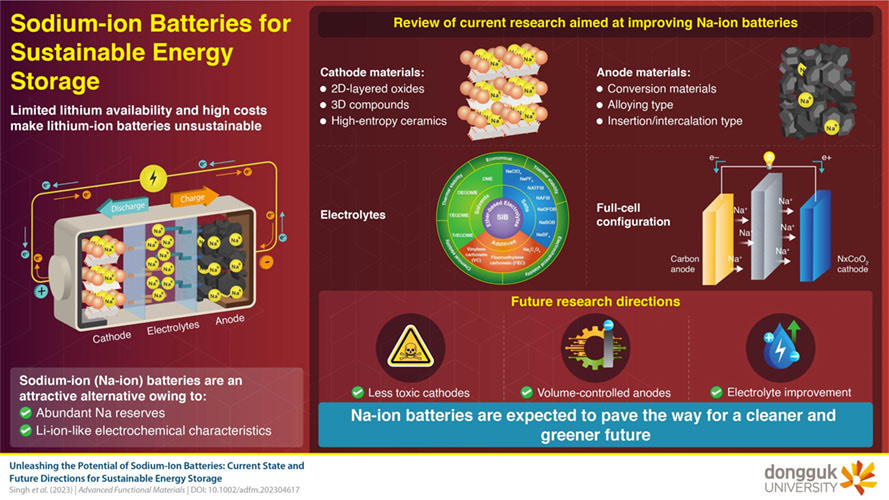
- Solid-state and sodium-ion batteries promise lower flammability.
- Smart monitoring systems using AI can detect early warning signs of failure.
- Updated standards such as NFPA 855 and UL 9540A are helping define safer installation practices.
- Climate risks — such as wildfires and floods — are now being integrated into battery safety planning.
As technology advances, regulations and best practices must evolve just as quickly.
Key Takeaways
Battery energy storage offers enormous environmental and economic benefits — but it must be managed responsibly.
Remember:
- Fire risks from batteries differ fundamentally from traditional electrical hazards.
- Prevention begins with design, not just response.
- Early detection, cooling, and containment are the most effective defences.
- Continuous monitoring, maintenance, and training protect both people and property.
Conclusion
Battery storage systems are transforming the global energy landscape, but they also challenge traditional fire-safety approaches.
By understanding the chemistry behind the risks, applying robust design principles, and staying updated with safety standards, industries can enjoy the benefits of battery storage without compromising safety.
As renewable energy adoption continues to grow, fire-safe battery systems will play a pivotal role in building a resilient, sustainable future.