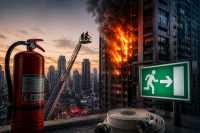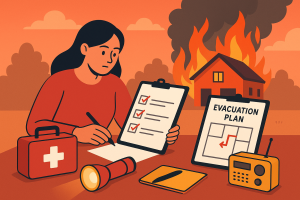
When a fire breaks out, every second matters. A well-designed emergency preparedness plan can mean the difference between a swift, coordinated evacuation and dangerous chaos. Whether it’s an office building, factory, school, or residential complex, having a clear, practiced fire emergency plan ensures the safety of everyone on the premises and minimizes property damage.
Below is a comprehensive guide to building an effective emergency preparedness plan for fire scenarios.
- Conduct a Thorough Fire Risk Assessment
The first step in preparing for fire emergencies is to identify potential hazards. This involves a detailed fire risk assessment, which should be conducted regularly and updated as the building changes.
Key components include:- Identifying ignition sources: Faulty wiring, overloaded outlets, heating equipment, open flames, or flammable materials.
- Recognizing vulnerable areas: Kitchens, storage rooms with chemicals, boiler rooms, or manufacturing areas.
- Evaluating fire protection systems: Check that sprinklers, alarms, and extinguishers are in proper working condition.
- Assessing building layout: Note evacuation routes, emergency exits, stairwells, and areas where people may become trapped.
The findings from this assessment will guide the design of evacuation procedures and determine what fire prevention measures need to be reinforced.
- Establish a Clear Chain of Command
During a fire emergency, confusion can escalate quickly. A defined chain of command ensures that responsibilities are clear and actions are coordinated.
Consider assigning the following roles:- Fire Warden or Emergency Coordinator: Leads the evacuation, communicates with emergency services, and oversees the entire emergency response.
- Floor Wardens: Assigned to each floor or department to guide people to exits and check for stragglers.
- First Aid Responders: Provide immediate medical assistance if needed.
- Communications Officer: Handles announcements, alerts, and updates to staff and emergency responders.
Having designated roles allows for quick, organized decision-making when time is critical.
- Design and Mark Evacuation Routes
A fire preparedness plan is only effective if everyone knows how to get out safely. Evacuation routes should be:- Clearly marked with illuminated exit signs visible even in smoky conditions.
- Unobstructed, avoiding storage or furniture that could block the path.
- Strategically planned, leading to safe assembly points outside the building.
- Accessible for everyone, including people with disabilities.
Posting floor plans with marked evacuation routes at key points—such as near elevators, stairwells, and break rooms—ensures that occupants are familiar with their options.
- Install and Maintain Fire Protection Systems
Fire protection systems are the backbone of any preparedness plan. These systems should be installed according to local fire codes and maintained regularly. Common systems include:- Smoke detectors and fire alarms to provide early warnings.
- Fire extinguishers, strategically placed and suitable for different fire classes (e.g., electrical, chemical, grease).
- Sprinkler systems, which can significantly slow the spread of fire.
- Emergency lighting, ensuring visibility during evacuations.
Routine inspections and maintenance are crucial to ensure these systems work when needed most.
- Develop an Effective Communication Strategy
During a fire, communication must be immediate, clear, and consistent. A good strategy includes:- Alarm systems with distinctive sounds that everyone recognizes as a fire warning.
- Public address systems or intercoms to give verbal instructions during emergencies.
- Backup communication tools, such as two-way radios or mobile alerts, in case primary systems fail.
- Pre-written announcements to avoid confusion or panic during real events.
Everyone in the building should know what the alarm sounds like and understand that it signals the need to evacuate without delay.
- Provide Fire Safety Training for All Occupants
Training ensures that everyone knows their role in an emergency. Regular fire safety sessions should include:- How to recognize and report fire hazards.
- How to use fire extinguishers properly (e.g., PASS technique: Pull, Aim, Squeeze, Sweep).
- Evacuation procedures and assembly point locations.
- Responsibilities of designated emergency personnel.
Additionally, new employees or residents should receive fire safety orientation as part of their onboarding process.
- Conduct Regular Fire Drills
Even the most detailed plan is ineffective without practice. Fire drills help identify weaknesses in evacuation routes, communication systems, or personnel readiness.
To make drills meaningful:- Simulate realistic scenarios, such as blocked exits or power outages.
- Evaluate performance, noting response times and areas for improvement.
- Rotate scenarios to ensure adaptability.
- Debrief afterwards, providing feedback and updates to improve future responses.
Most organizations conduct drills at least twice a year, but higher-risk environments may require more frequent practice.
- Establish Post-Evacuation Procedures
The emergency plan doesn’t end when everyone reaches the assembly point. Post-evacuation steps are equally important:- Headcounts and roll calls should be conducted to account for everyone.
- Emergency responders should be informed of any missing persons or special circumstances.
- No one should re-enter the building until authorities declare it safe.
- Incident reports should be completed to document the event and identify areas for improvement.
These procedures ensure that everyone remains safe even after the immediate danger has passed.
- Keep the Plan Up-to-Date
Buildings, equipment, and personnel change over time. A preparedness plan must be reviewed and updated at least annually, or whenever significant changes occur. Updates should include:- Revised floor layouts and evacuation routes.
- Changes in emergency personnel assignments.
- New fire protection technologies.
- Feedback from recent drills or real emergencies.
Everyone should be informed of any updates to keep the plan effective.
Conclusion
Fire emergencies can escalate in minutes, leaving little room for error. A strong emergency preparedness plan, built on risk assessments, clear procedures, reliable systems, and regular training, can protect lives and property when disaster strikes.
By preparing in advance, organizations and communities create a culture of safety—where everyone knows what to do, where to go, and how to act in the face of fire.