In an age where smart technology and automation are transforming how we live and work, fire alarm systems are undergoing a significant evolution. Fire safety is a critical aspect of any residential, commercial, or industrial structure, and the stakes are high—early detection of fire not only saves lives but also minimizes property damage and environmental impact. Traditional smoke detectors, while effective, are giving way to more sophisticated, intelligent, and interconnected systems that offer quicker response times, remote accessibility, and integration with broader building management systems.
In this article, we explore the latest advancements in fire alarm technology, highlighting the most promising innovations that are shaping the future of fire safety.
- Smart Fire Alarm Systems
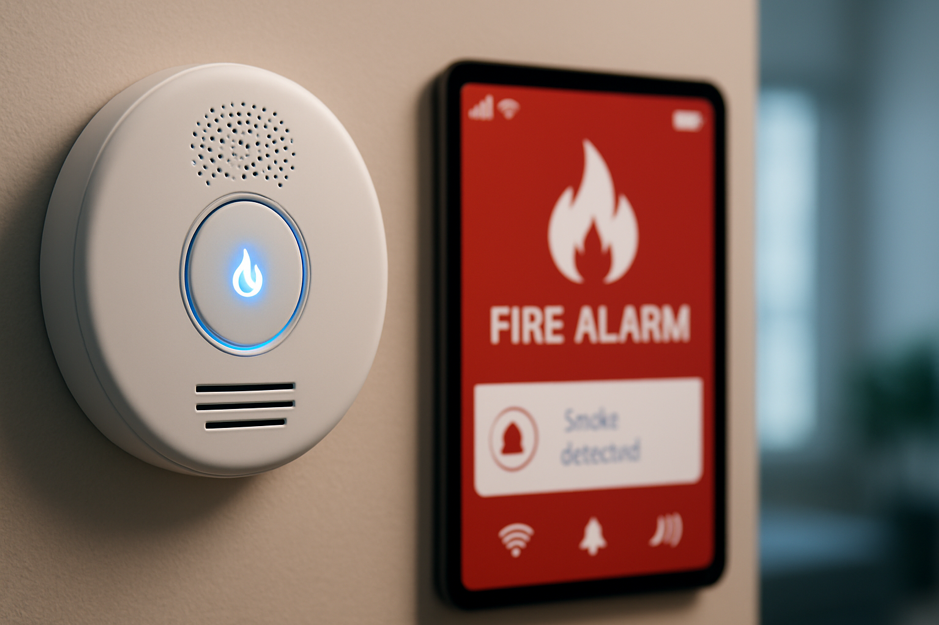
Smart fire alarm systems are redefining how we respond to fire hazards. These systems use Wi-Fi or cellular connectivity to communicate with other devices and the cloud. Unlike conventional standalone alarms, smart fire alarms can send real-time alerts to homeowners or building managers through mobile apps, even when no one is present on the premises.
Some of the leading smart fire alarm systems offer:- Remote Monitoring via smartphones or tablets.
- Instant Notifications to emergency contacts and first responders.
- Integration with Smart Home Systems like Google Nest, Amazon Alexa, or Apple HomeKit.
This added layer of connectivity ensures a faster response and improved situational awareness during emergencies.
- Multi-Sensor Detection Technology
One of the most significant limitations of traditional fire alarms is their reliance on a single sensor—usually either a photoelectric or ionization sensor. Multi-sensor technology combines various detection methods, such as:- Smoke detection
- Heat detection
- Carbon monoxide detection
- Flame detection using infrared or ultraviolet sensors
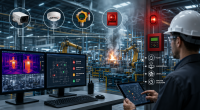
By cross-referencing data from multiple sensors, these advanced alarms can more accurately identify real fire events while reducing false alarms caused by cooking smoke, steam, or dust. This makes them especially useful in sensitive environments like hospitals, laboratories, or high-rise buildings.
- AI and Machine Learning Integration
Artificial intelligence (AI) and machine learning are increasingly being integrated into fire alarm systems to enhance predictive capabilities. These systems learn patterns of normal environmental behavior and detect anomalies that might signal the early stages of a fire.
AI-powered fire detection can:- Distinguish between harmless smoke and real threats.
- Predict potential fire risks based on environmental data.
- Provide real-time diagnostics and system health reports.
This proactive approach can lead to earlier interventions, reducing the likelihood of severe damage and improving overall safety.
- Video-Based Fire Detection
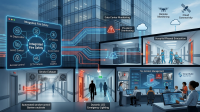
Video fire detection systems use surveillance cameras coupled with image processing software to identify fire-related visual cues—such as smoke plumes, flickering flames, or abnormal heat signatures. These systems are especially valuable in large or open spaces where traditional detectors might not be as effective, such as warehouses, tunnels, or stadiums.
Key benefits include:- Real-time monitoring with visual verification
- Wide area coverage
- Faster detection in complex environments
Some advanced systems can even integrate with drones for aerial fire surveillance in remote or hazardous locations.
- Wireless and IoT-Enabled Alarms
The shift from hardwired systems to wireless, IoT-enabled fire alarms is making installation more flexible and cost-effective, particularly in older buildings or temporary structures. These systems use mesh networks to communicate with each other, ensuring system-wide redundancy—if one node fails, the signal is rerouted through another.
IoT features allow for:- Automatic updates and maintenance alerts
- Remote troubleshooting
- Seamless integration with other smart building functions (e.g., HVAC shut-off, door release systems)
This kind of interoperability increases safety and enhances user convenience.
- Cloud-Based Fire Alarm Management
Cloud-based platforms are now being used to manage, monitor, and analyze fire alarm data. With centralized dashboards, facility managers can oversee multiple properties from a single location. These systems offer:- Data logging for compliance and audits
- Real-time alarm tracking
- Performance analytics to identify weak points in fire safety systems
Such centralized control streamlines decision-making and allows for quicker deployment of emergency responses across wide geographic areas.
- Enhanced Accessibility and Compliance Features
Modern fire alarm systems are increasingly incorporating features designed for accessibility and inclusivity. For individuals who are deaf or hard of hearing, for example, advanced alarms include strobe lights, bed shakers, and voice alerts with text-to-speech capabilities. These systems help ensure that fire safety is not compromised for individuals with different needs, in line with international safety standards and regulations. - Green and Sustainable Fire Alarm Solutions
As sustainability becomes a priority, manufacturers are developing fire alarm systems that are energy-efficient, recyclable, and free from harmful materials like radioactive isotopes (used in ionization detectors). Some systems are also powered by solar energy or include long-life batteries that reduce maintenance frequency and waste.
Conclusion
The landscape of fire alarm technology is evolving rapidly, driven by advancements in AI, IoT, sensor fusion, and smart building integration. The newest fire alarm systems are more intelligent, reliable, and user-friendly than ever before, offering not just detection but also prediction, prevention, and real-time communication.
Whether for homes, offices, factories, or large public infrastructure, adopting these modern technologies can greatly enhance fire preparedness and resilience. As the world continues to digitize, investing in next-generation fire alarm systems is not just a safety measure—it’s a step toward smarter, safer living.