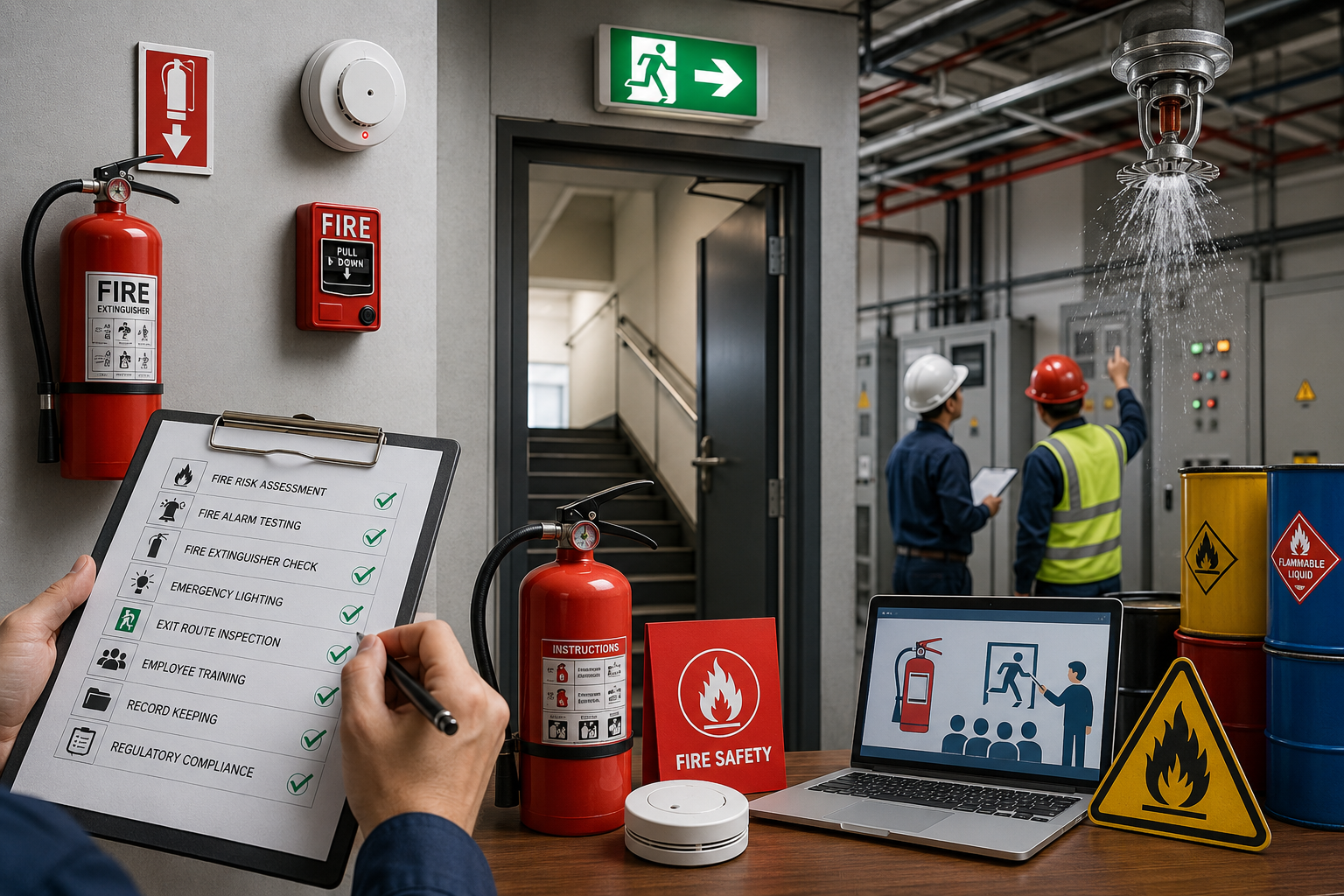
Fire safety compliance is one of the most critical responsibilities for any business, building owner, or facility manager. Whether in offices, industrial facilities, commercial buildings, healthcare centers, or residential complexes, maintaining proper fire safety standards is essential not only for regulatory compliance but also for protecting lives, assets, and business continuity.
However, many organizations unknowingly make mistakes that compromise their fire safety systems. These errors can lead to failed inspections, increased fire risks, operational disruptions, financial penalties, and even catastrophic incidents. In many cases, the issue is not the absence of fire protection systems, but rather poor maintenance, lack of awareness, or inconsistent implementation.
Understanding the most common pitfalls in fire safety compliance can help organizations proactively strengthen their safety culture and avoid unnecessary risks. Below are several frequent mistakes and practical ways to prevent them.
- Neglecting Routine Inspection and Maintenance
One of the most common compliance issues is failing to regularly inspect and maintain fire protection systems. Fire alarms, sprinklers, extinguishers, hydrants, smoke detectors, and emergency lighting systems all require periodic testing to ensure proper functionality.
Many businesses install these systems to meet initial requirements but overlook long-term maintenance afterward. Over time, components may deteriorate, batteries can fail, pipes may corrode, or devices may become obstructed or damaged.
How to Avoid It
Create a structured inspection and maintenance schedule that complies with local regulations and international standards. Assign responsible personnel or work with certified fire protection professionals to conduct regular testing, servicing, and documentation.
Digital maintenance logs and scheduled reminders can also help organizations stay organized and avoid missed inspections. - Inadequate Fire Risk Assessments
A fire risk assessment is the foundation of effective fire safety planning. Unfortunately, some organizations conduct assessments only once during the early stages of occupancy and never update them again.
As workplaces evolve, new equipment, electrical systems, storage arrangements, and operational processes may introduce additional fire hazards. Without updated assessments, these risks often remain unidentified.
How to Avoid It
Conduct fire risk assessments regularly, especially after renovations, operational changes, or increases in occupancy. Ensure assessments cover all areas, including electrical hazards, storage practices, emergency exits, flammable materials, and evacuation procedures.
A comprehensive assessment should not only identify hazards but also provide actionable recommendations and follow-up evaluations. - Blocked or Inaccessible Emergency Exits
Emergency exits are crucial during fire emergencies, yet blocked escape routes remain one of the most frequent compliance violations. Storage boxes, furniture, equipment, or locked exit doors can delay evacuation and create life-threatening situations.
In an emergency, even a few seconds of delay can significantly increase danger for occupants.
How to Avoid It
Ensure all emergency exits, stairways, and evacuation routes remain clear and easily accessible at all times. Conduct regular walkthrough inspections and implement strict housekeeping policies to prevent obstructions.
Emergency exit signage should also be illuminated, visible, and compliant with applicable safety standards. - Poor Employee Training and Awareness
Even the most advanced fire protection systems may become ineffective if employees do not know how to respond during emergencies. Lack of training often results in panic, confusion, delayed evacuations, and improper use of firefighting equipment.
Some organizations provide fire safety training only during onboarding and never reinforce it afterward.
How to Avoid It
Implement continuous fire safety education programs for all employees. Training should include:- Proper use of fire extinguishers
- Emergency evacuation procedures
- Fire alarm response
- Hazard reporting
- Assembly point protocols
Regular fire drills are equally important to evaluate preparedness and identify weaknesses in evacuation procedures.
- Overlooking Electrical Fire Hazards
Electrical issues are among the leading causes of workplace fires. Overloaded circuits, damaged wiring, improper use of extension cords, and outdated electrical systems can all create serious fire risks.
In many cases, electrical hazards develop gradually and remain unnoticed until an incident occurs.
How to Avoid It
Schedule routine electrical inspections performed by qualified professionals. Avoid overloading outlets, replace damaged cables immediately, and ensure electrical panels remain accessible and properly labeled.
Organizations should also establish clear policies regarding the use of personal electrical devices and temporary wiring. - Improper Storage of Flammable Materials
Flammable liquids, chemicals, gases, and combustible materials require proper storage and handling procedures. Unfortunately, some facilities store these materials in unsuitable environments or near ignition sources.
This significantly increases the likelihood of fire ignition and rapid fire spread.
How to Avoid It
Store flammable materials in designated areas equipped with proper ventilation, containment systems, and fire-rated storage cabinets where necessary.
Clearly label hazardous materials and train employees on proper handling procedures. Compliance with material safety regulations and storage guidelines is essential for minimizing risks. - Incomplete Documentation and Record Keeping
Fire safety compliance often requires detailed documentation, including inspection reports, maintenance records, training logs, evacuation plans, and incident reports.
Missing or outdated documentation can lead to compliance failures during audits and inspections, even if physical systems are functioning correctly.
How to Avoid It
Maintain organized and up-to-date fire safety records. Digital documentation systems can simplify tracking and improve accessibility during inspections.
Ensure records include:- Inspection dates
- Maintenance activities
- Fire drill reports
- Employee training attendance
- Equipment certifications
- Corrective actions taken
Proper documentation demonstrates accountability and supports continuous improvement.
- Ignoring Changes in Regulations and Standards
Fire safety regulations continue to evolve as technologies, building practices, and safety standards improve. Organizations that fail to stay informed may unknowingly fall out of compliance.
This is particularly common in older buildings or rapidly growing businesses.
How to Avoid It
Stay updated on local fire codes, industry regulations, and international standards. Work with experienced fire safety consultants or compliance specialists who understand current requirements and emerging best practices.
Regular compliance reviews can help identify gaps before they become major issues. - Assuming Compliance Equals Complete Safety
Meeting minimum compliance requirements does not automatically guarantee full protection. Some organizations focus only on passing inspections rather than building a proactive fire safety culture.
True fire safety goes beyond regulations — it requires continuous awareness, prevention, preparedness, and improvement.
How to Avoid It
Encourage a workplace culture where fire safety becomes part of everyday operations. Employees should feel responsible for identifying hazards, reporting unsafe conditions, and participating actively in safety programs.
Management commitment is equally important in maintaining long-term compliance and operational safety.
Building a Stronger Fire Safety Culture
Avoiding common fire safety compliance pitfalls requires more than periodic inspections or installing equipment. It demands consistent attention, employee engagement, and proactive risk management.
Organizations that prioritize fire safety not only reduce legal and operational risks but also create safer environments for employees, customers, and visitors. A strong fire safety strategy can improve business resilience, minimize downtime, and potentially save lives during emergencies.
By understanding these common mistakes and implementing preventive measures early, businesses can strengthen compliance efforts while fostering a safer and more prepared workplace for everyone.




Leave A Comment