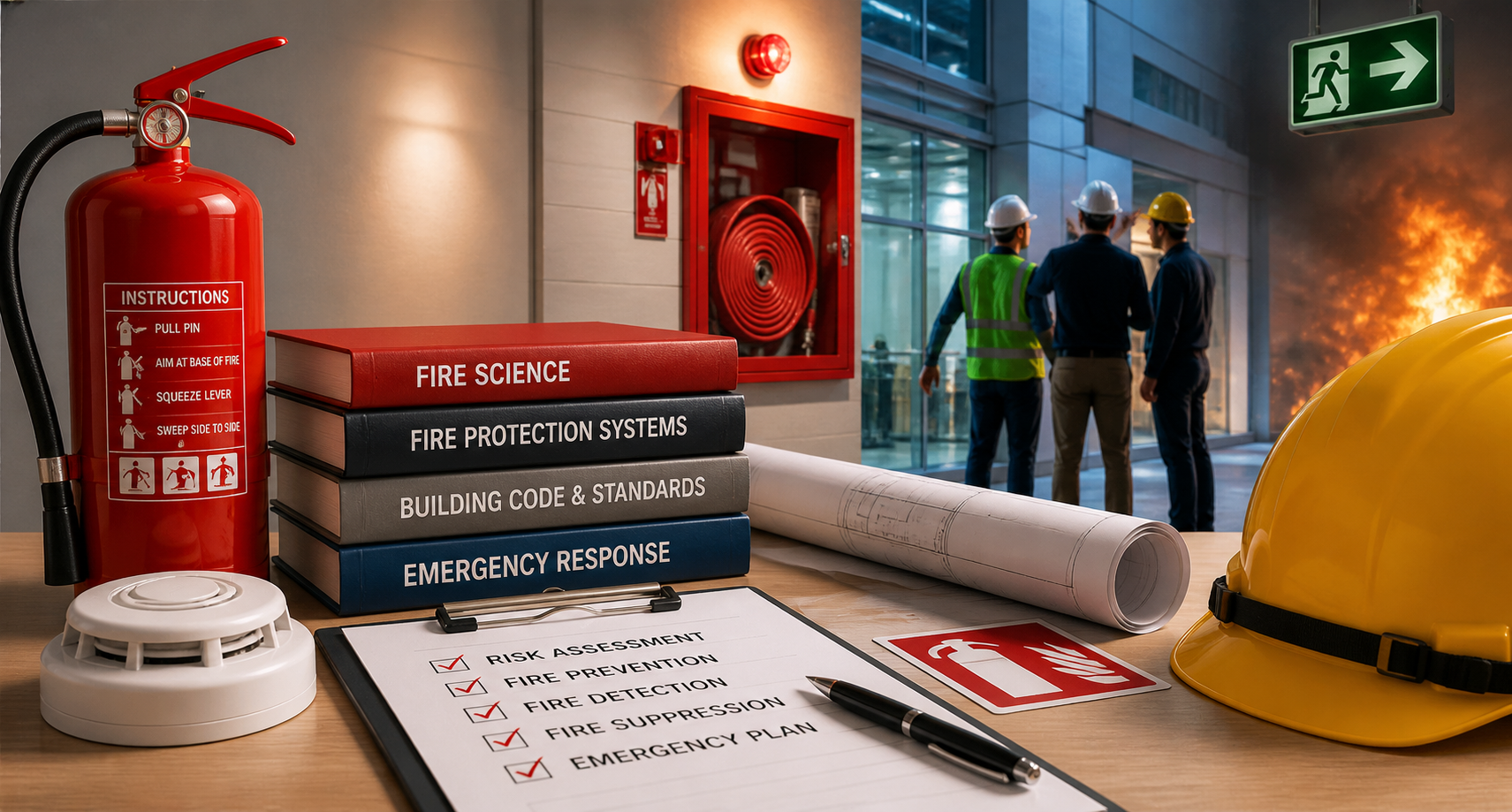
Fire safety is a universal concern that transcends borders, industries, and professions. As globalization continues to connect businesses and communities, the demand for internationally recognized fire safety certifications has grown significantly. These certifications not only validate technical knowledge and practical skills but also ensure that professionals meet globally accepted safety standards. Whether you are a safety officer, engineer, facility manager, or aspiring fire protection specialist, preparing for international fire safety certifications can be a pivotal step in advancing your career.
Understanding International Fire Safety Certifications
International fire safety certifications are credentials awarded by recognized organizations to individuals who demonstrate competency in fire prevention, detection, suppression, and emergency response. These certifications often align with globally accepted standards and best practices.
Some widely recognized certifications include:
- Certified Fire Protection Specialist (CFPS)
- NEBOSH Fire Safety Certificate
- NFPA Certifications (various specializations)
- IOSH Fire Safety for Managers
Each certification has its own structure, requirements, and areas of focus, but they all aim to improve safety awareness and reduce fire-related risks in different environments.
Why These Certifications Matter
Earning an international fire safety certification offers several advantages:
- Global Recognition
Certified professionals are acknowledged worldwide, making it easier to work across countries and industries. - Enhanced Career Opportunities
Employers prioritize certified individuals for roles involving safety compliance, risk management, and emergency planning. - Improved Safety Standards
Certified professionals contribute to safer workplaces by applying best practices and updated knowledge. - Legal and Regulatory Compliance
Many industries require adherence to international safety standards, and certification helps meet those requirements.
Core Topics Covered
Preparing for these certifications involves mastering several key areas:
Fire Science Fundamentals
Understanding how fires start, spread, and can be controlled is essential. Topics include:
- Fire chemistry (fuel, heat, oxygen)
- Fire behavior and stages
- Heat transfer methods
Fire Prevention Strategies
This includes identifying hazards and minimizing risks through:
- Proper storage of flammable materials
- Electrical safety practices
- Maintenance of equipment
Fire Detection and Alarm Systems
Candidates must understand:
- Types of fire detectors (smoke, heat, flame)
- Alarm system design and functionality
- Inspection and maintenance protocols
Fire Suppression Systems
Knowledge of suppression methods is critical:
- Fire extinguishers and their classifications
- Sprinkler systems
- Gas-based suppression systems
Emergency Planning and Response
Preparedness can save lives:
- Evacuation procedures
- Emergency communication systems
- Fire drills and training
Study Strategies for Success
Preparing for an international certification requires a structured and disciplined approach.
- Understand the Exam Structure
Review the syllabus, format, and types of questions. Knowing what to expect helps reduce uncertainty and improves focus. - Use Official Study Materials
Rely on textbooks, guidelines, and resources provided by the certifying organization. These are aligned with the exam content. - Create a Study Schedule
Break down topics into manageable sections and allocate time consistently. Avoid cramming. - Practice with Mock Exams
Taking practice tests helps identify weak areas and improves time management during the actual exam. - Join Training Programs
Consider enrolling in certified training courses, either online or in-person, to gain structured guidance.
Practical Skills and Hands-On Training
Beyond theory, practical experience is essential. Many certifications require or strongly recommend hands-on training, such as:
- Operating fire extinguishers
- Conducting risk assessments
- Participating in evacuation drills
- Inspecting fire safety equipment
These experiences reinforce theoretical knowledge and prepare candidates for real-life emergencies.
Common Challenges and How to Overcome Them
- Technical Complexity
Fire safety involves detailed technical concepts. Break them into smaller topics and use diagrams or visual aids. - Time Management
Balancing work and study can be difficult. Set realistic goals and maintain consistency. - Lack of Practical Exposure
If hands-on experience is limited, seek workshops or simulations to bridge the gap. - Exam Pressure
Practice regularly and simulate exam conditions to build confidence.
Tips for Exam Day
- Arrive early and stay calm
- Read questions carefully
- Manage your time wisely
- Double-check answers if time permits
Confidence comes from preparation, so trust the effort you’ve put in.
Career Opportunities After Certification
With an international fire safety certification, various career paths open up:
- Fire Safety Officer
- Health and Safety Manager
- Risk Assessment Consultant
- Fire Protection Engineer
- Safety Auditor
These roles are in demand across industries such as construction, oil and gas, manufacturing, hospitality, and aviation.
The Future of Fire Safety
As technology evolves, fire safety is becoming more advanced. Innovations include:
- Smart fire detection systems
- AI-based risk prediction
- Automated suppression technologies
Professionals with up-to-date certifications will be better equipped to adapt to these advancements and lead safety initiatives.
Conclusion
Preparing for international fire safety certifications is a meaningful investment in both personal growth and public safety. It requires dedication, structured learning, and practical experience. However, the rewards—enhanced career prospects, global recognition, and the ability to protect lives and property—make the effort worthwhile.
By approaching your preparation strategically and staying committed, you can successfully achieve certification and become a valuable contributor to fire safety worldwide.