Firefighting has always been one of the most dangerous professions in the world. Extreme heat, toxic smoke, unstable structures, and limited visibility put human responders at constant risk. As urban environments grow more complex and industrial facilities more hazardous, traditional firefighting methods alone are no longer enough. This is where robotics is stepping in—quietly but powerfully—reshaping how fires are detected, assessed, and fought.
Robotics is not replacing firefighters. Instead, it is extending their reach, reducing exposure to danger, and enabling faster, more informed decision-making. From ground-based fire suppression robots to aerial drones and autonomous inspection systems, robotic technology is becoming a crucial ally on the fireground.
The Rise of Robotics in Firefighting
Robotic systems were first introduced into firefighting as experimental tools for niche scenarios, such as nuclear facilities and chemical plants. Over the past decade, advances in sensors, artificial intelligence (AI), mobility, and remote communications have pushed these systems into real-world deployment.
Modern firefighting robots can now:
- Enter environments too dangerous for humans
- Operate continuously in extreme heat
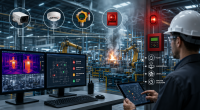
- Collect real-time visual and thermal data
- Support suppression, reconnaissance, and rescue operations
Fire departments and industrial safety teams around the world are increasingly adopting these technologies as part of their standard emergency response strategy.
Firefighting Robots on the Ground
Fire Suppression Robots
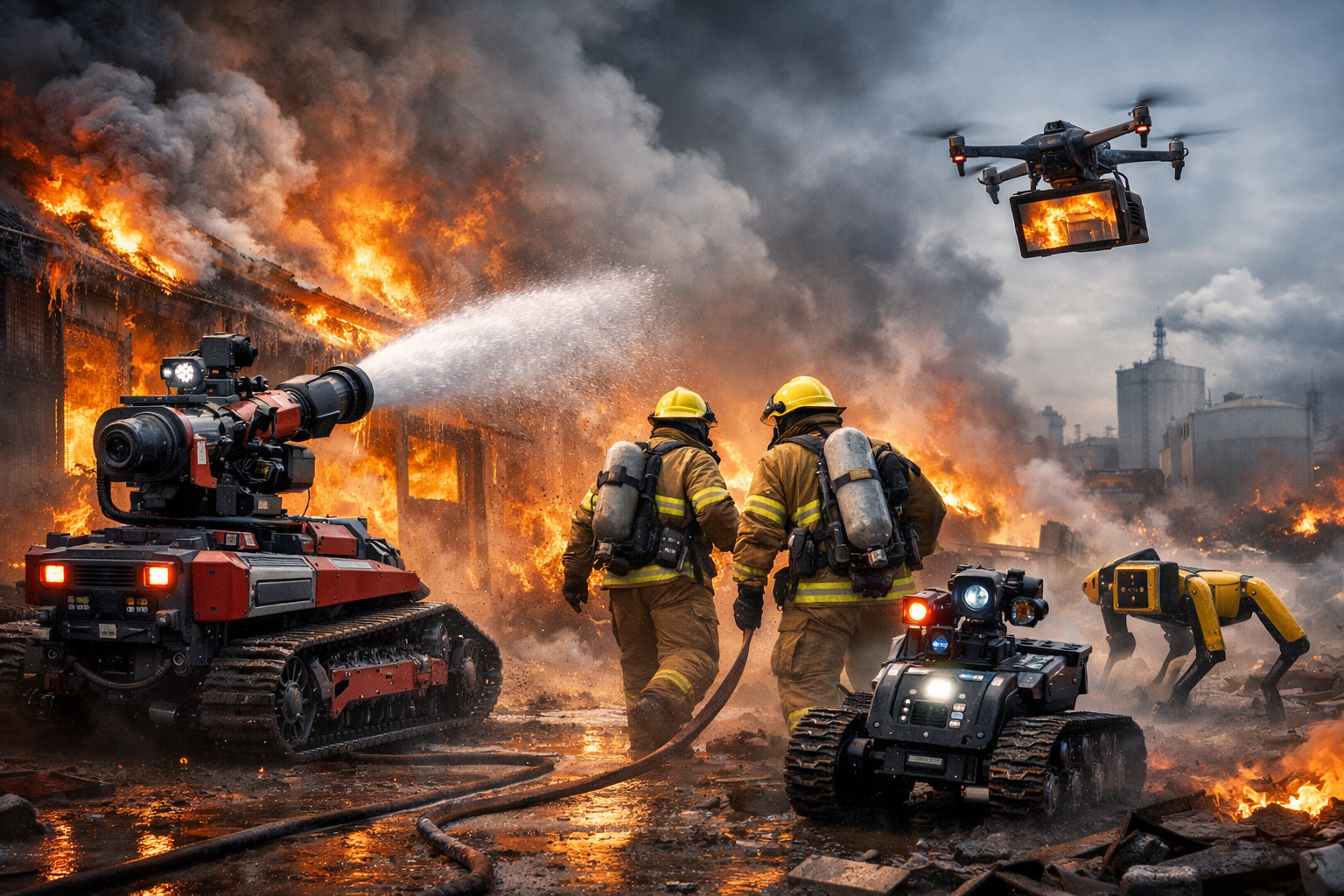
Ground-based firefighting robots are designed to withstand intense heat and heavy impact while delivering water, foam, or dry chemical agents directly to the fire source. These robots are especially valuable in large-scale industrial fires, tunnel fires, and warehouses storing hazardous materials.
Key capabilities include:
- High-capacity water or foam cannons
- Remote or semi-autonomous navigation
- Heat-resistant armor and components
- Operation in zero-visibility conditions
By deploying robots during the early stages of a fire, commanders can reduce the need to send crews into the most dangerous zones.
Search and Reconnaissance Robots
Smaller tracked or wheeled robots are used for interior reconnaissance. Equipped with thermal cameras, gas sensors, and two-way audio, they can locate hotspots, detect toxic gases, and even search for trapped victims.
These robots provide firefighters with:
- Real-time situational awareness
- Accurate temperature mapping
- Early warning of flashover or structural collapse
This information dramatically improves tactical planning and reduces guesswork during interior operations.
Aerial Drones: Firefighting from Above
Unmanned aerial vehicles (UAVs), commonly known as drones, have become one of the most impactful robotic tools in firefighting.
Rapid Size-Up and Assessment
Within minutes of arrival, drones can be launched to provide a bird’s-eye view of the incident. Thermal imaging allows crews to see fire spread through roofs, walls, and vegetation—details that are impossible to detect from the ground.
Drones are now routinely used for:
- Wildland and forest fire monitoring
- High-rise building fires
- Post-fire damage assessment
- Hazardous material incidents
Night and Low-Visibility Operations
Equipped with infrared cameras, drones can operate in complete darkness or heavy smoke. This capability is especially valuable during nighttime wildfires and industrial incidents where visibility is severely compromised.
Robotics in Hazardous and Specialized Environments
Certain fire scenarios are simply too dangerous for human entry, regardless of protective equipment. Robotics excels in these high-risk environments.
Nuclear and Chemical Facilities
In nuclear plants, refineries, and chemical storage sites, exposure to radiation or toxic substances can be fatal within minutes. Firefighting robots can operate in these conditions for extended periods without risk to human life.
International safety standards promoted by organizations such as the National Fire Protection Association increasingly recognize robotic systems as part of advanced fire protection planning in high-risk facilities.
Confined Spaces and Tunnels
Tunnel fires present extreme challenges due to heat buildup, limited escape routes, and rapid smoke spread. Robots can advance deep into tunnels, suppress flames, and relay critical data before crews follow.
Artificial Intelligence and Autonomy
The true power of firefighting robotics lies in the integration of AI.
Intelligent Navigation and Decision Support
AI enables robots to:
- Map unfamiliar environments in real time
- Avoid obstacles and unstable structures
- Identify fire behavior patterns
Some systems can autonomously suggest safer entry routes or optimal suppression points based on sensor data.
Predictive Fire Analysis
By combining robotic data with fire modeling software, commanders can anticipate fire spread, structural failure, and ventilation effects—turning reactive firefighting into proactive strategy.
Human–Robot Collaboration
Despite rapid automation, human judgment remains central to firefighting. Robots are tools, not decision-makers.
Successful deployment depends on:
- Clear command-and-control integration
- Firefighter training in robotic systems
- Reliable communication links
Leading technology developers, including companies like Boston Dynamics, are focusing on robots that work alongside humans rather than independently of them.
Challenges and Limitations
While promising, firefighting robotics still faces obstacles:
- High cost of acquisition and maintenance
- Training requirements for operators
- Battery life and durability in prolonged incidents
- Communication reliability in dense structures
Smaller fire departments may struggle with adoption, making cost-effective and modular designs an important area for future development.
The Future of Firefighting Robotics
The next generation of firefighting robots will likely feature:
- Greater autonomy with human oversight
- Swarm robotics for large-scale incidents
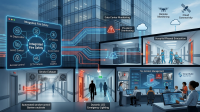
- Integration with smart buildings and IoT sensors
- Faster deployment and easier operation
As urbanization increases and climate-driven disasters intensify, robotics will play an essential role in protecting both firefighters and the communities they serve.
Conclusion
Robotics is transforming firefighting from a purely human-centered operation into a technologically enhanced mission. By entering dangerous environments first, gathering critical intelligence, and supporting suppression efforts, robots are saving lives—both civilian and firefighter alike.
The future of firefighting is not human versus machine, but human with machine. And in the battle against fire, that partnership is proving to be one of the most powerful tools yet.