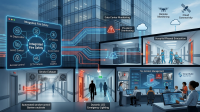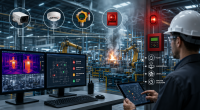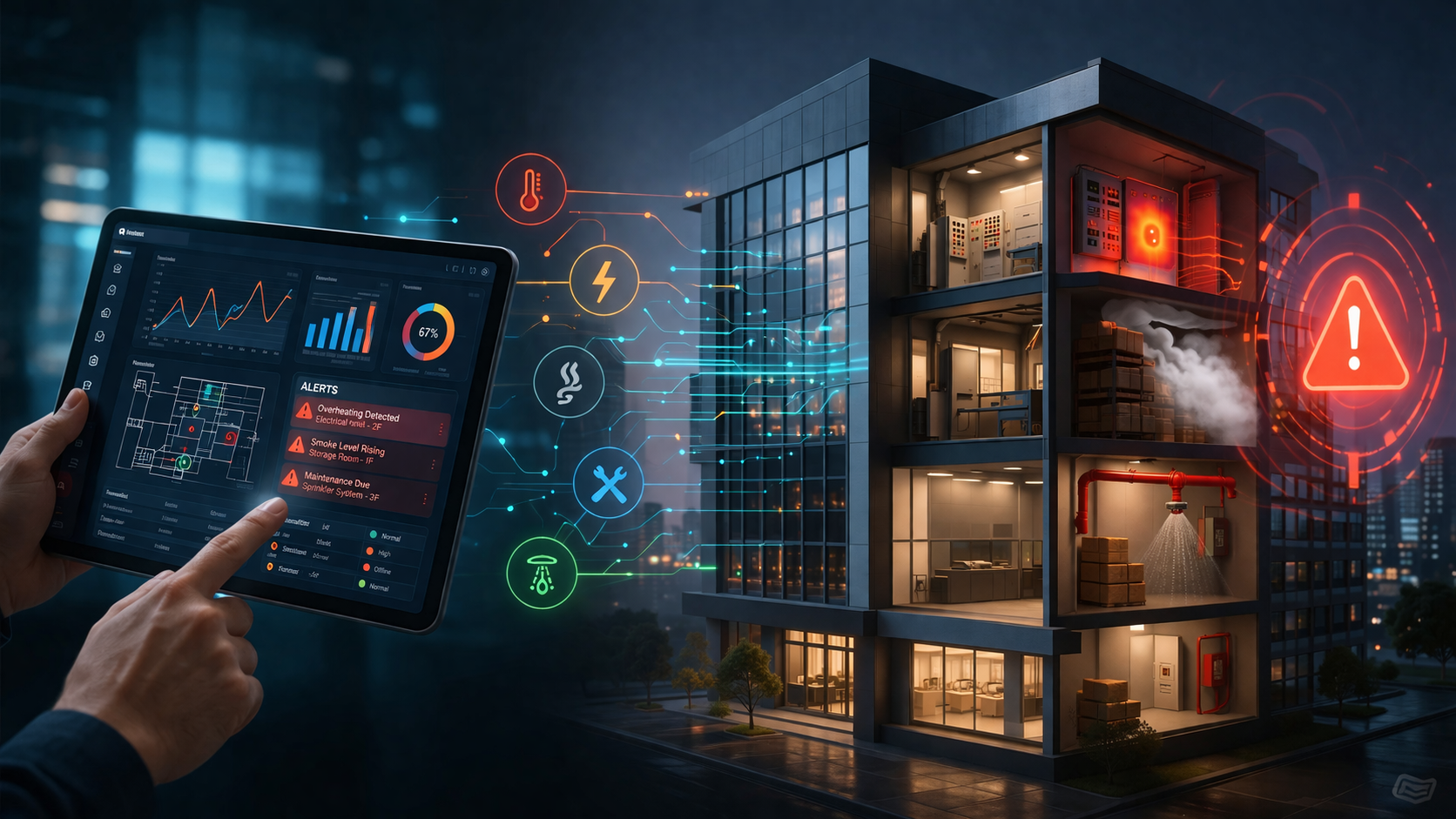
In today’s increasingly complex built environments, fire safety can no longer rely solely on periodic inspections and traditional compliance checklists. While these methods remain essential, they often fail to detect hidden fire risks—those subtle, evolving hazards that develop over time due to operational changes, human behavior, or equipment degradation.
The integration of data-driven strategies is transforming how building owners, facility managers, and fire protection professionals identify, assess, and mitigate these hidden risks before they escalate into emergencies.
The Nature of Hidden Fire Risks
Hidden fire risks are not always visible during routine inspections. They often emerge from patterns rather than isolated incidents. Examples include:
- Gradual overheating of electrical systems
- Accumulation of combustible dust in unnoticed areas
- Repeated minor faults in fire suppression systems
- Human behavior trends, such as improper storage or equipment misuse
These risks typically develop quietly, making them difficult to detect without continuous monitoring and analysis.
The Role of Data in Fire Risk Identification
Modern buildings generate vast amounts of data through various systems, including:
- Fire alarm and detection systems
- Building Management Systems (BMS)
- HVAC systems
- Electrical monitoring devices
- IoT-enabled sensors
When properly collected and analyzed, this data provides valuable insights into abnormal patterns and early warning signs of potential fire hazards.
Key Data Sources for Fire Risk Analysis
- Fire Alarm System Logs
Fire alarm systems record every activation, fault, and reset. By analyzing historical logs, patterns can be identified, such as:- Frequent false alarms in specific zones
- Recurrent detector faults
- Delayed response times
These patterns may indicate underlying issues like sensor degradation, environmental interference, or improper system design.
- Electrical Load and Thermal Data
Electrical systems are one of the leading causes of building fires. Monitoring data such as:- Load fluctuations
- Voltage irregularities
- Temperature increases in panels
can reveal early signs of overheating, overloading, or failing components.
- Maintenance and Inspection Records
Digitized maintenance logs can uncover trends such as:- Repeated equipment failures
- Delayed servicing schedules
- Components nearing end-of-life
This allows for predictive maintenance instead of reactive repairs.
- Environmental and Occupancy Data
Changes in how a building is used can introduce new fire risks. Data from occupancy sensors and environmental monitoring can highlight:- Overcrowded spaces
- Increased heat loads
- Poor ventilation conditions
These factors can significantly impact fire behavior and detection effectiveness.
- IoT and Smart Sensors
Advanced sensors can monitor:- Smoke particle levels
- Gas leaks
- Temperature anomalies
- Air quality changes
These sensors provide real-time data, enabling faster detection of unusual conditions that may precede a fire event.
Turning Data into Actionable Insights
Collecting data is only the first step. The real value lies in transforming that data into actionable insights through:
- Data Integration
Combining data from multiple systems into a centralized platform allows for a holistic view of building safety. - Pattern Recognition
Using analytics tools to detect recurring issues or anomalies that may indicate hidden risks. - Predictive Modeling
Leveraging historical data to forecast potential failures or fire scenarios before they occur. - Real-Time Alerts
Implementing automated alerts for abnormal conditions ensures immediate response to potential hazards.
Practical Applications
- Predictive Maintenance
Instead of waiting for equipment failure, data can signal when systems are likely to fail, allowing for timely intervention. - Risk-Based Inspections
Inspection schedules can be prioritized based on data insights, focusing on high-risk areas rather than fixed intervals. - Improved Emergency Preparedness
Data helps simulate fire scenarios, improving evacuation planning and response strategies. - Compliance and Reporting
Automated data collection simplifies regulatory compliance and provides clear documentation for audits.
Challenges in Data-Driven Fire Risk Management
While the benefits are significant, there are challenges to consider:
- Data Overload: Large volumes of data can be difficult to manage without proper systems
- Integration Issues: Different systems may not easily communicate with each other
- Data Accuracy: Poor-quality data can lead to incorrect conclusions
- Cybersecurity Risks: Protecting sensitive building data is critical
Addressing these challenges requires investment in the right technology and expertise.
The Future of Fire Risk Detection
The future of fire safety lies in intelligent, connected systems powered by:
- Artificial Intelligence (AI) for advanced pattern recognition
- Machine Learning for continuous improvement of risk models
- Digital twins for real-time building simulations
- Cloud-based platforms for centralized monitoring
These innovations will enable a shift from reactive fire protection to proactive fire prevention.
Conclusion
Hidden fire risks pose a significant threat to building safety, often going undetected until it is too late. By harnessing the power of data, organizations can uncover these risks early, make informed decisions, and implement targeted mitigation strategies.
Data-driven fire risk management is not just an enhancement—it is becoming a necessity in modern building safety. Those who adopt it will be better equipped to protect lives, assets, and operations in an increasingly complex environment.