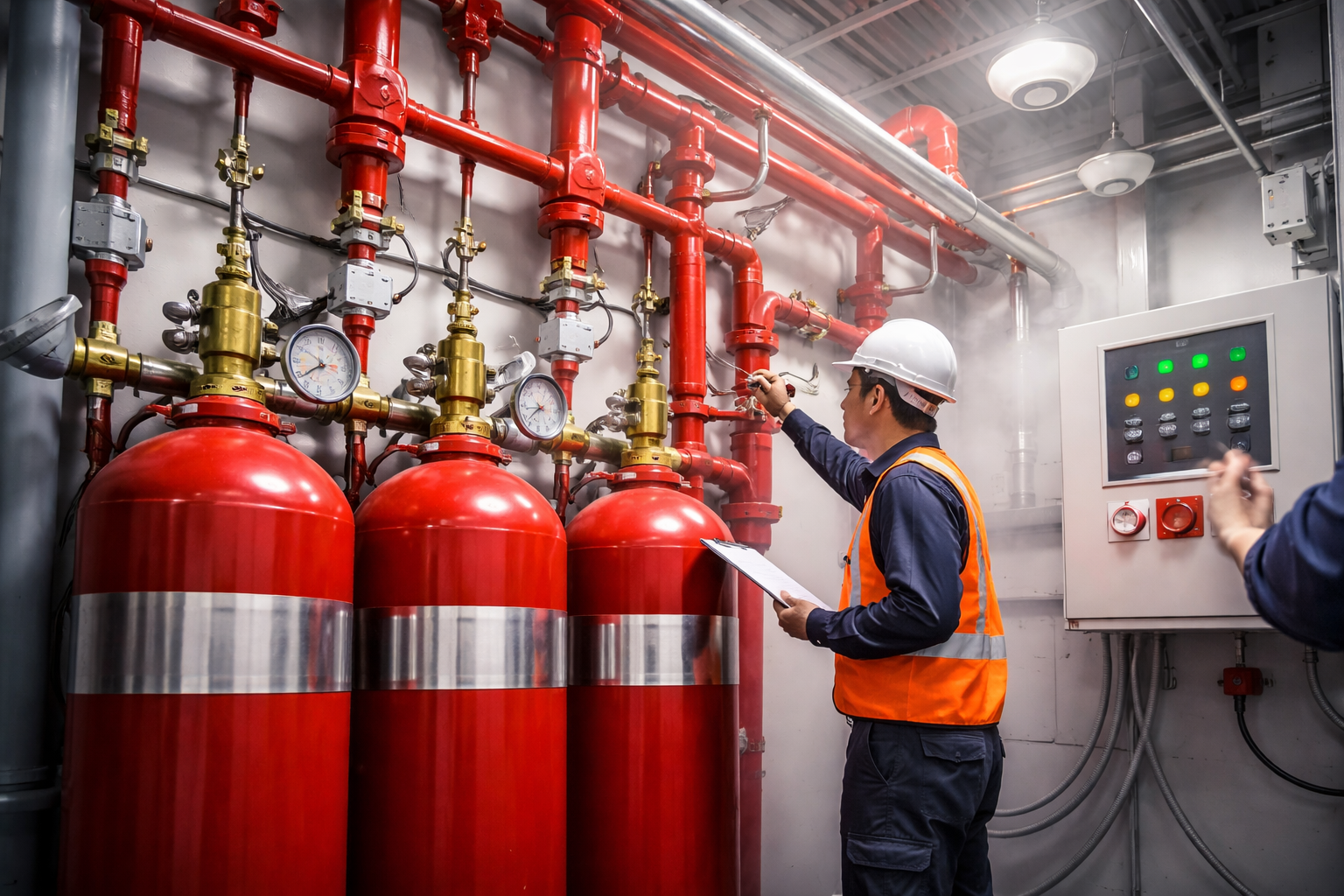
Fire suppression systems are critical safeguards designed to protect lives, property, and business continuity. However, their effectiveness depends not only on proper installation but also on consistent maintenance and rigorous testing. A system that is neglected or improperly maintained may fail at the most critical moment, leading to devastating consequences. Ensuring maximum reliability requires a structured approach that combines routine inspections, performance testing, compliance with standards, and proactive system management.
The Importance of Reliability in Fire Suppression Systems
Fire suppression systems are often the last line of defense when preventive measures fail. Whether in commercial buildings, industrial facilities, data centers, or residential properties, these systems must operate instantly and effectively under emergency conditions.
Reliability is crucial because:
- Fires escalate rapidly, leaving little margin for failure.
- System downtime or malfunction can result in severe financial and human loss.
- Regulatory compliance often mandates strict maintenance protocols.
- Insurance requirements frequently depend on documented system reliability.
A well-maintained system ensures not only safety but also peace of mind for building owners and occupants.
Types of Fire Suppression Systems
Understanding the type of system installed is essential for proper maintenance and testing. Common types include:
- Water-Based Systems (Sprinklers): Widely used in commercial and residential settings.
- Foam Suppression Systems: Ideal for flammable liquid hazards.
- Clean Agent Systems: Used in data centers and sensitive environments where water damage must be avoided.
- Dry Chemical Systems: Common in industrial and kitchen applications.
- Carbon Dioxide (CO₂) Systems: Effective for enclosed spaces but require strict safety controls.
Each system has unique components and maintenance requirements, making tailored testing procedures essential.
Key Components That Require Regular Maintenance
To maintain optimal performance, several critical components must be inspected and serviced regularly:
- Detection Devices
- Smoke detectors, heat sensors, and flame detectors must be calibrated and tested.
- Dust, debris, or aging can impair sensitivity and accuracy.
- Control Panels
- The control unit acts as the brain of the system.
- Software updates, battery checks, and signal verification are necessary.
- Suppression Agents
- Check levels, pressure, and expiration dates.
- Ensure no leakage or contamination.
- Piping and Distribution Network
- Inspect for corrosion, blockages, or leaks.
- Verify proper pressure levels and flow capacity.
- Nozzles and Discharge Devices
- Ensure they are unobstructed and properly aligned.
- Clean and replace if necessary.
- Valves and Actuators
- Confirm correct operation and accessibility.
- Lubricate and test for responsiveness.
Routine Maintenance Practices
Consistent maintenance is the foundation of system reliability. A structured schedule should include:
- Daily and Weekly Checks
- Visual inspection of system status indicators.
- Ensure control panels show no faults or alarms.
- Verify that valves are in the correct position.
- Monthly Inspections
- Test alarms and notification systems.
- Inspect accessible components for physical damage.
- Check pressure gauges and agent levels.
- Quarterly Maintenance
- Conduct functional testing of detection devices.
- Inspect piping and discharge components more thoroughly.
- Annual Servicing
- Perform full system testing, including discharge simulations where possible.
- Replace worn or expired components.
- Review system performance logs and incident records.
- Specialized Maintenance
- Clean agent systems may require weight checks of cylinders.
- Foam systems require solution quality testing.
- CO₂ systems demand strict leak detection and safety verification.
Testing Procedures for Maximum Reliability
Testing ensures that the system performs as intended under real-world conditions. Key testing methods include:
- Functional Testing
- Simulate fire conditions to verify system activation.
- Ensure alarms, detection, and suppression components work together seamlessly.
- Flow Testing
- Measure water or agent flow rates to confirm adequate coverage and pressure.
- Identify blockages or pressure drops.
- Pressure Testing
- Verify system integrity and detect leaks in piping or cylinders.
- Alarm and Notification Testing
- Ensure all alarms, sirens, and communication systems activate properly.
- Confirm integration with building management systems.
- Full Discharge Testing (When Applicable)
- Conduct controlled discharge tests to validate performance.
- Often performed during commissioning or major system upgrades.
Compliance with Standards and Regulations
Adhering to recognized standards ensures consistency and safety. Key guidelines include:
- National and international fire safety codes (e.g., NFPA standards).
- Local building and fire regulations.
- Manufacturer recommendations for specific systems.
Documentation is critical. Maintenance logs, inspection reports, and test results should be recorded and readily available for audits and insurance purposes.
Common Challenges in Maintenance and Testing
Despite best efforts, several challenges can affect system reliability:
- Human Error: Improper inspections or skipped procedures.
- Environmental Factors: Corrosion, humidity, or dust affecting components.
- System Aging: Wear and tear over time leading to reduced performance.
- Inadequate Training: Personnel unfamiliar with system requirements.
- Operational Disruptions: Difficulty scheduling tests without interrupting business operations.
Addressing these challenges requires a proactive and systematic approach.
Best Practices for Ensuring Maximum Reliability
To optimize system performance, consider the following strategies:
- Implement a Preventive Maintenance Program
Move beyond reactive repairs by scheduling routine inspections and servicing. - Use Certified Professionals
Ensure maintenance and testing are conducted by trained and certified technicians. - Leverage Technology
- Use digital monitoring systems for real-time alerts.
- Maintain electronic logs for easy tracking and compliance.
- Conduct Regular Training
Train staff on system operation, emergency procedures, and basic troubleshooting. - Perform Risk Assessments
Regularly evaluate fire risks and adjust system configurations accordingly. - Maintain Spare Parts Inventory
Keep essential components readily available to minimize downtime.
The Role of Documentation and Record-Keeping
Accurate documentation is essential for:
- Regulatory compliance
- Insurance validation
- Performance tracking
- Identifying recurring issues
Records should include:
- Inspection dates and findings
- Maintenance actions taken
- Test results and certifications
- Component replacement history
Digital record-keeping systems can improve accessibility and accuracy.
Conclusion
Maintaining and testing fire suppression systems is not a one-time task but an ongoing commitment to safety and reliability. A well-maintained system ensures rapid response during emergencies, minimizes damage, and protects lives. By implementing structured maintenance schedules, conducting thorough testing, adhering to standards, and embracing best practices, organizations can achieve maximum reliability and long-term peace of mind.
Ultimately, the true value of a fire suppression system lies not just in its presence, but in its readiness to perform flawlessly when it matters most.