-
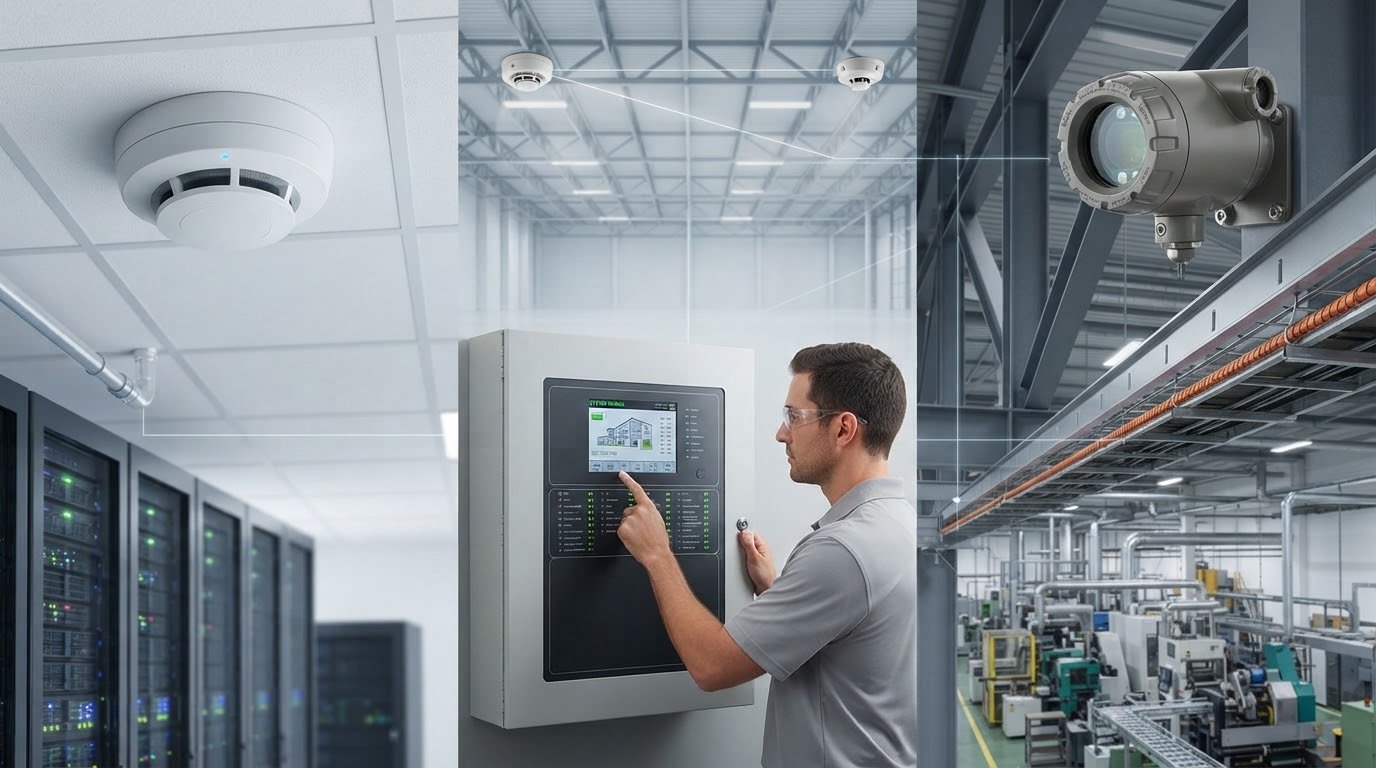
Choosing the Right Fire Detection System for Your Facility Type
Read more: Choosing the Right Fire Detection System for Your Facility TypeSelecting an effective fire detection system is never a one-size-fits-all decision. A sensor that works reliably in a quiet corporate office can trigger constant false alarms in a dusty manufacturing…
-
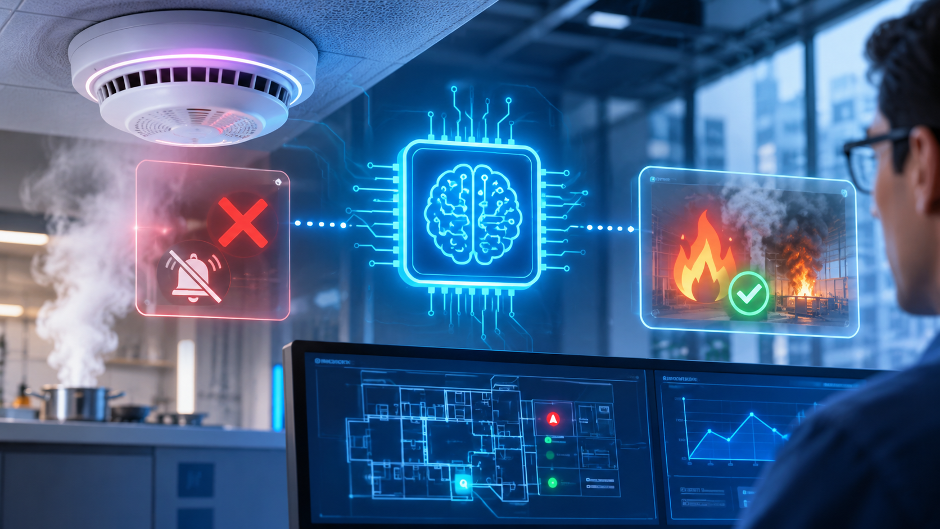
How AI Improves False Alarm Management
Read more: How AI Improves False Alarm ManagementFalse alarms remain one of the major challenges in modern fire detection and alarm systems. Unnecessary alarm activations can disrupt daily operations, cause unnecessary evacuations, increase emergency response costs, and…
-
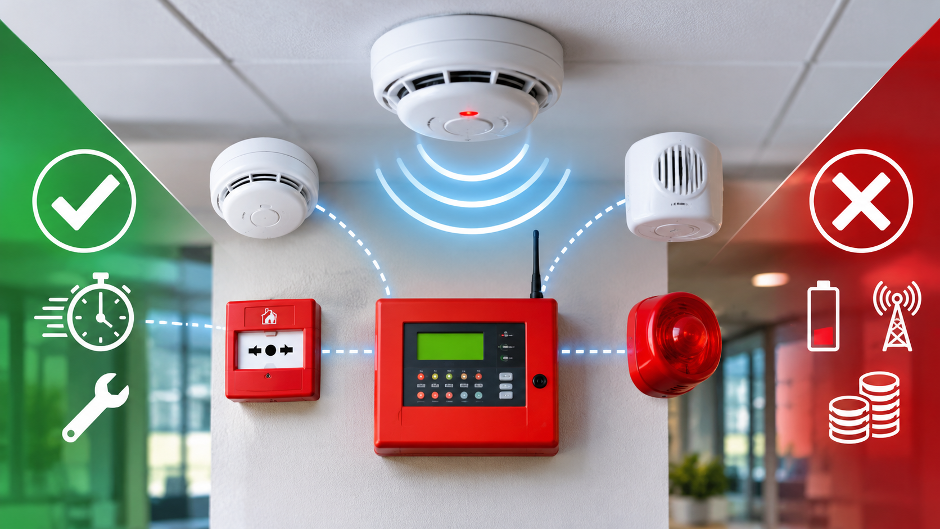
Wireless Fire Alarm Systems: Pros and Cons
Read more: Wireless Fire Alarm Systems: Pros and ConsFire alarm systems play a critical role in protecting people, property, and business operations from fire hazards. As building technologies continue to advance, wireless fire alarm systems have become an…
-

Integrating Thermal Imaging in Fire Detection
Read more: Integrating Thermal Imaging in Fire DetectionFire detection technology continues to evolve as buildings and industrial facilities face increasingly complex fire hazards. Traditional fire detection systems, such as smoke detectors and heat sensors, remain essential for…
-

Preparing for Fires in Mixed-Use Smart Cities
Read more: Preparing for Fires in Mixed-Use Smart CitiesAs urban environments rapidly evolve, modern master planning increasingly favors high-density, mixed-use smart cities. These developments blend residential apartments, commercial offices, retail outlets, entertainment venues, and light industrial facilities into…
-

Managing Fire Risks in Chemical and Petrochemical Industries
Read more: Managing Fire Risks in Chemical and Petrochemical IndustriesChemical and petrochemical industries play a vital role in manufacturing, energy production, and the global supply chain. However, these facilities also face significant fire hazards due to the presence of…
-
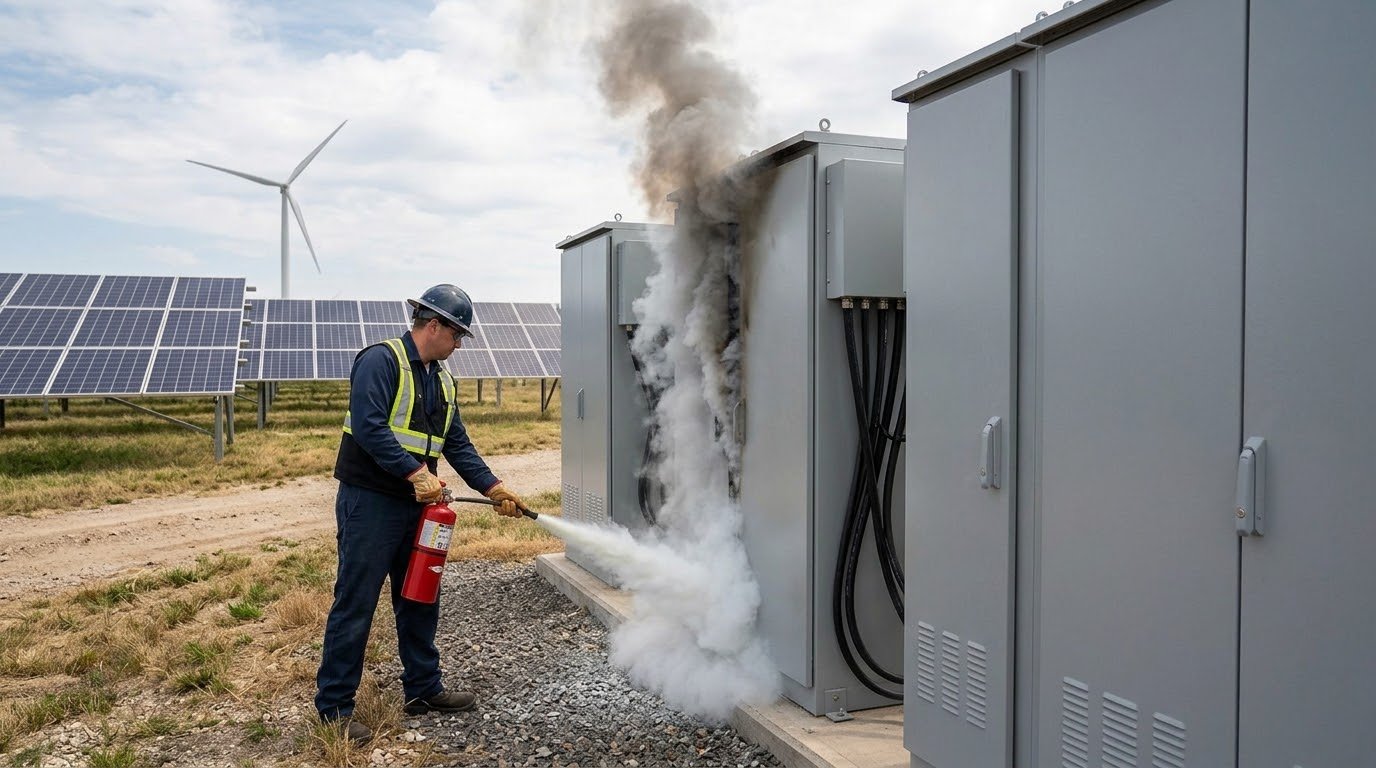
Addressing Fire Hazards in Renewable Energy Installations
Read more: Addressing Fire Hazards in Renewable Energy InstallationsRenewable energy installations are becoming increasingly important as businesses and industries transition toward cleaner and more sustainable power sources. Solar photovoltaic (PV) systems, wind turbines, battery energy storage systems (BESS),…
-
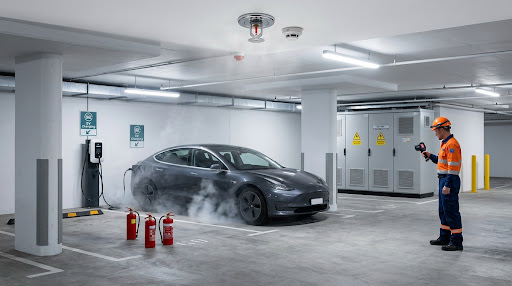
Fire Risks from Modern Battery Storage and E-Vehicles
Read more: Fire Risks from Modern Battery Storage and E-VehiclesThe rapid adoption of electric vehicles (EVs) and battery energy storage systems (BESS) is transforming how energy is stored, transported, and used. From electric cars and motorcycles to large-scale battery…
-
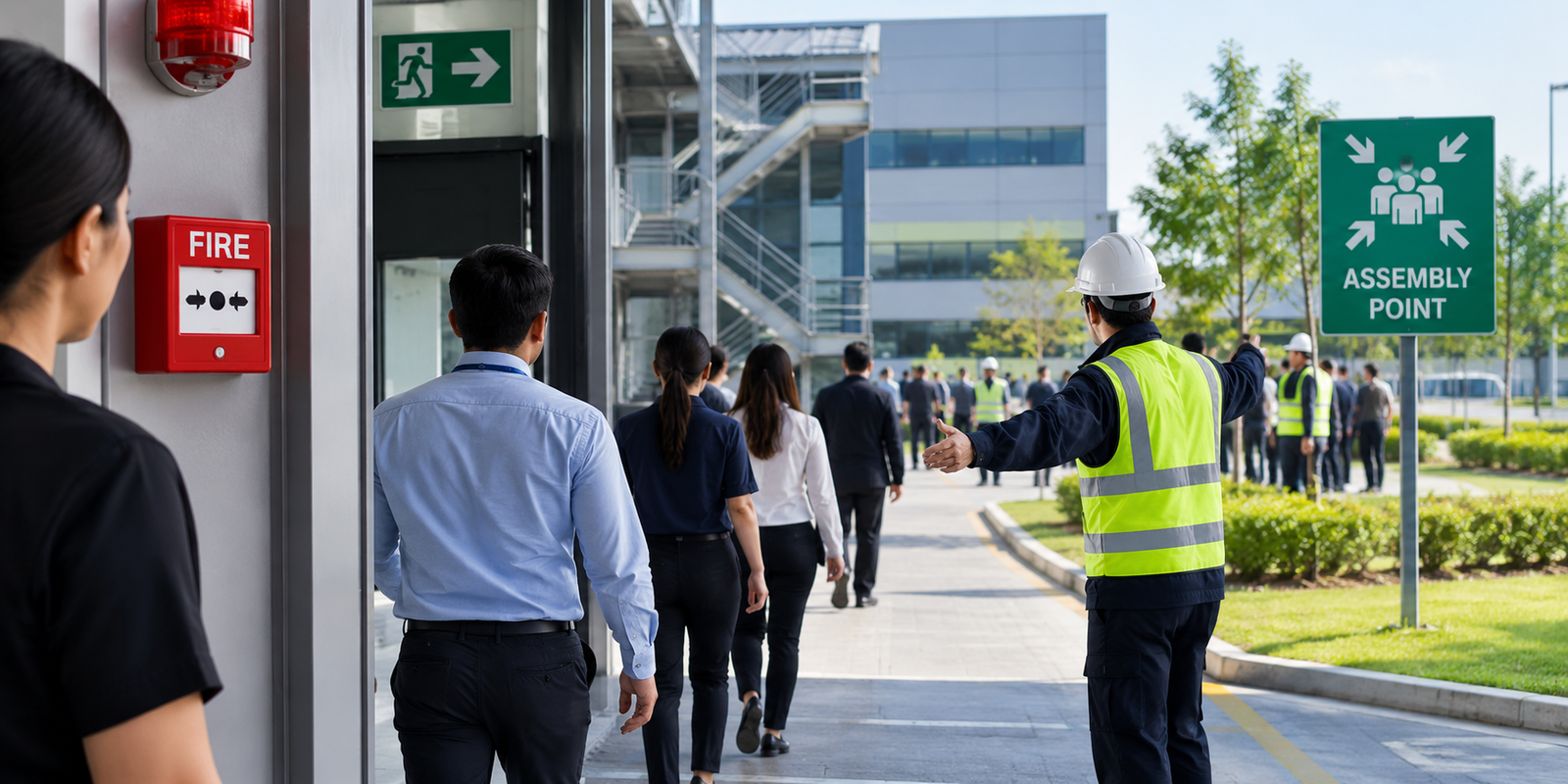
How to Train Employees for Fire Evacuation in Complex Facilities
Read more: How to Train Employees for Fire Evacuation in Complex FacilitiesFire evacuation may seem simple in a small office, but the process becomes much more challenging in complex facilities. Manufacturing plants, warehouses, hospitals, shopping centers, high-rise buildings, and large commercial…
-
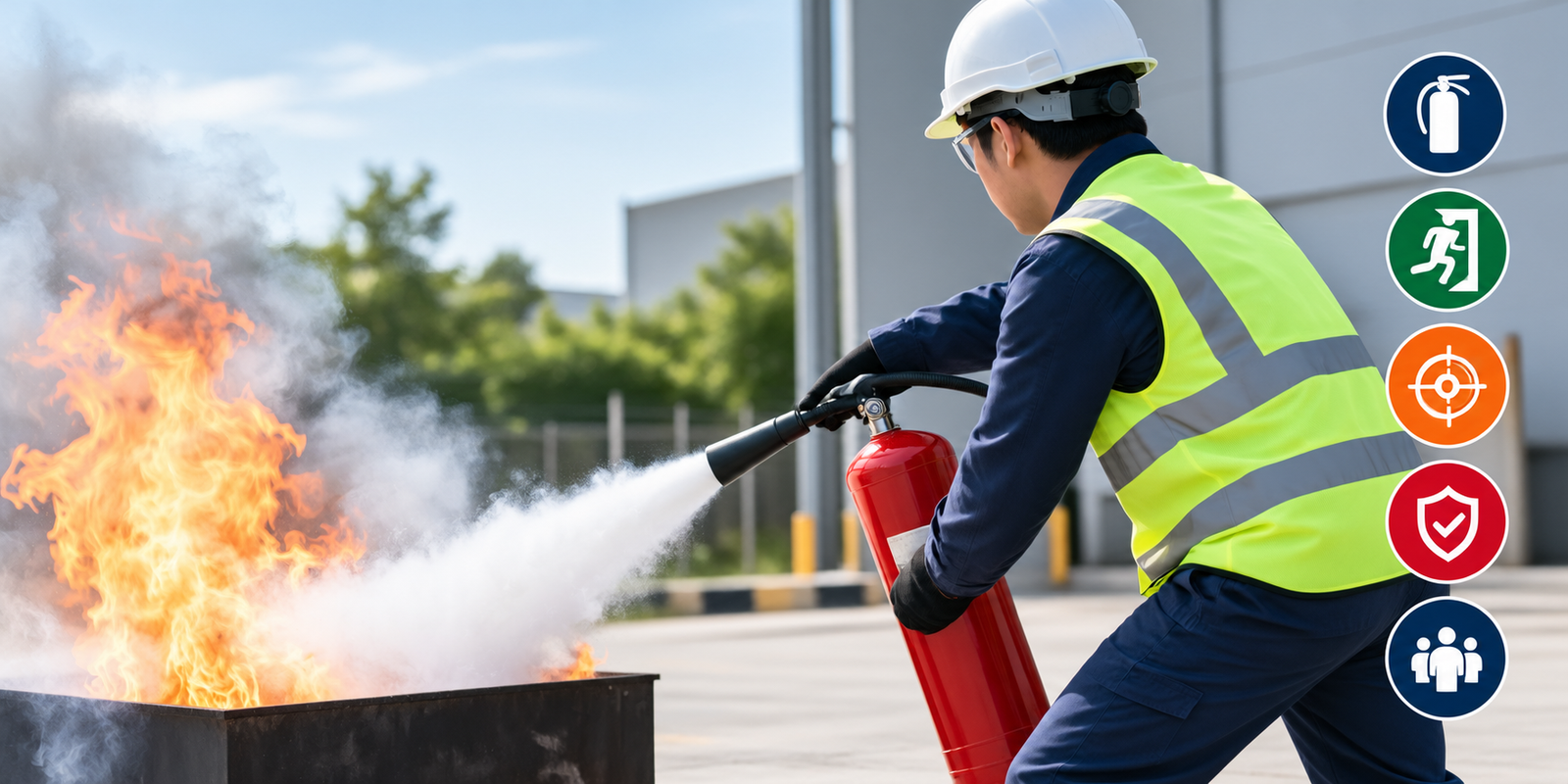
Advanced Fire Extinguisher Handling Techniques for Staff
Read more: Advanced Fire Extinguisher Handling Techniques for StaffKnowing where a fire extinguisher is located is only the first step in workplace fire preparedness. In an actual emergency, staff must be able to recognize the type of fire,…
-
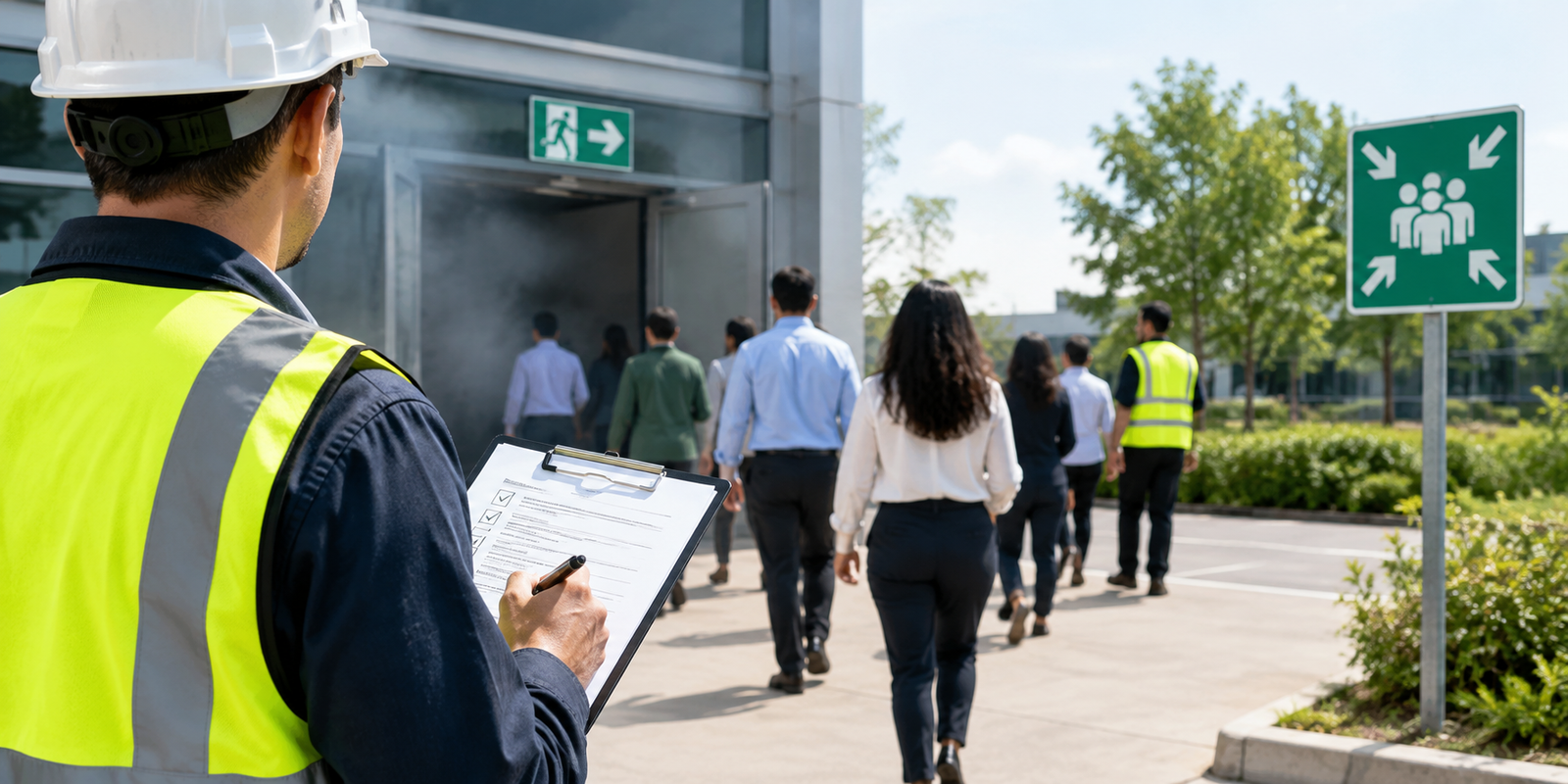
Simulated Fire Drills: Beyond the Basics
Read more: Simulated Fire Drills: Beyond the BasicsA fire drill is often treated as a routine safety requirement: an alarm sounds, employees leave the building, everyone gathers at the assembly point, and the drill is declared successful.…
-
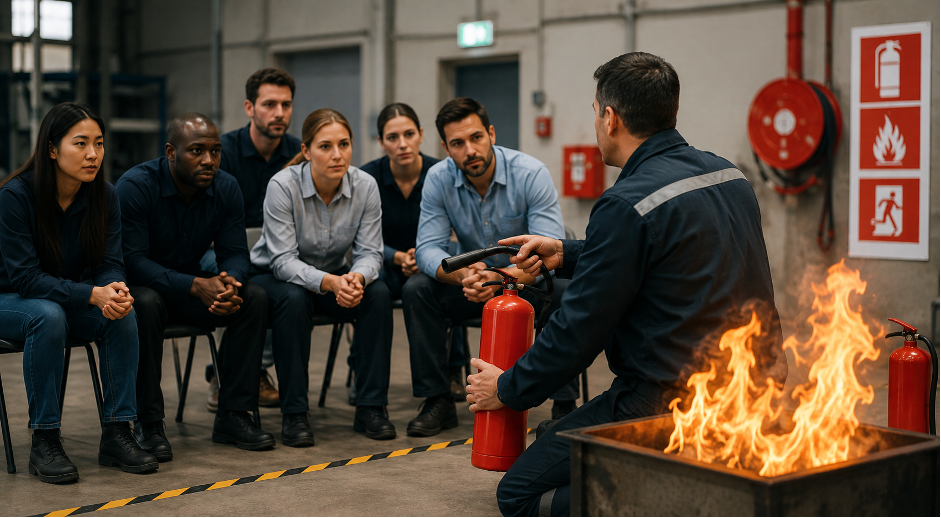
Designing Fire Safety Training Programs That Stick
Read more: Designing Fire Safety Training Programs That StickFire safety training is essential in every workplace, but simply conducting a training session does not guarantee that employees will remember what they learned when an emergency occurs. In a…
-
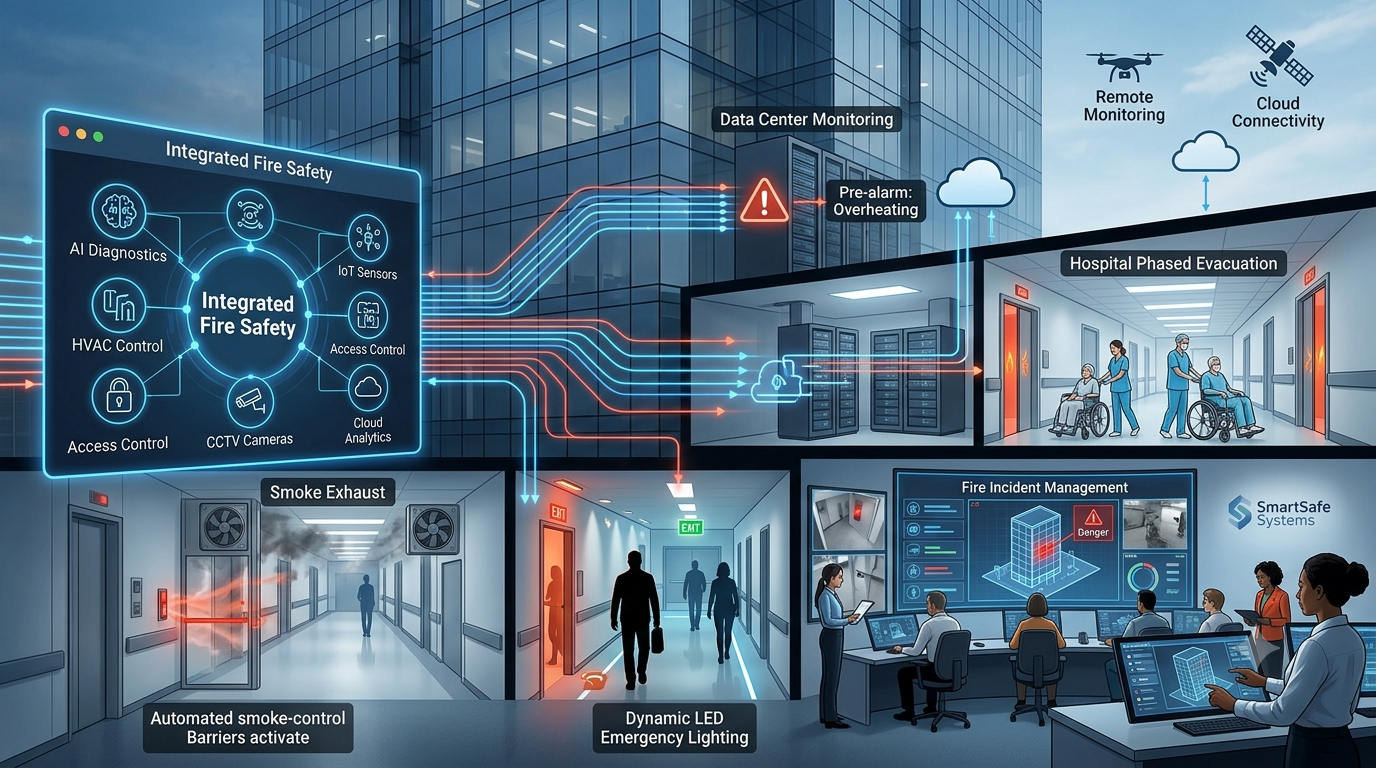
Success Stories: Integrating Fire Safety with Smart Building Tech
Read more: Success Stories: Integrating Fire Safety with Smart Building TechAs buildings become increasingly connected through digital technologies, fire safety is undergoing a significant transformation. Traditional fire protection systems were primarily designed to detect, alert, and suppress fires as standalone…
-
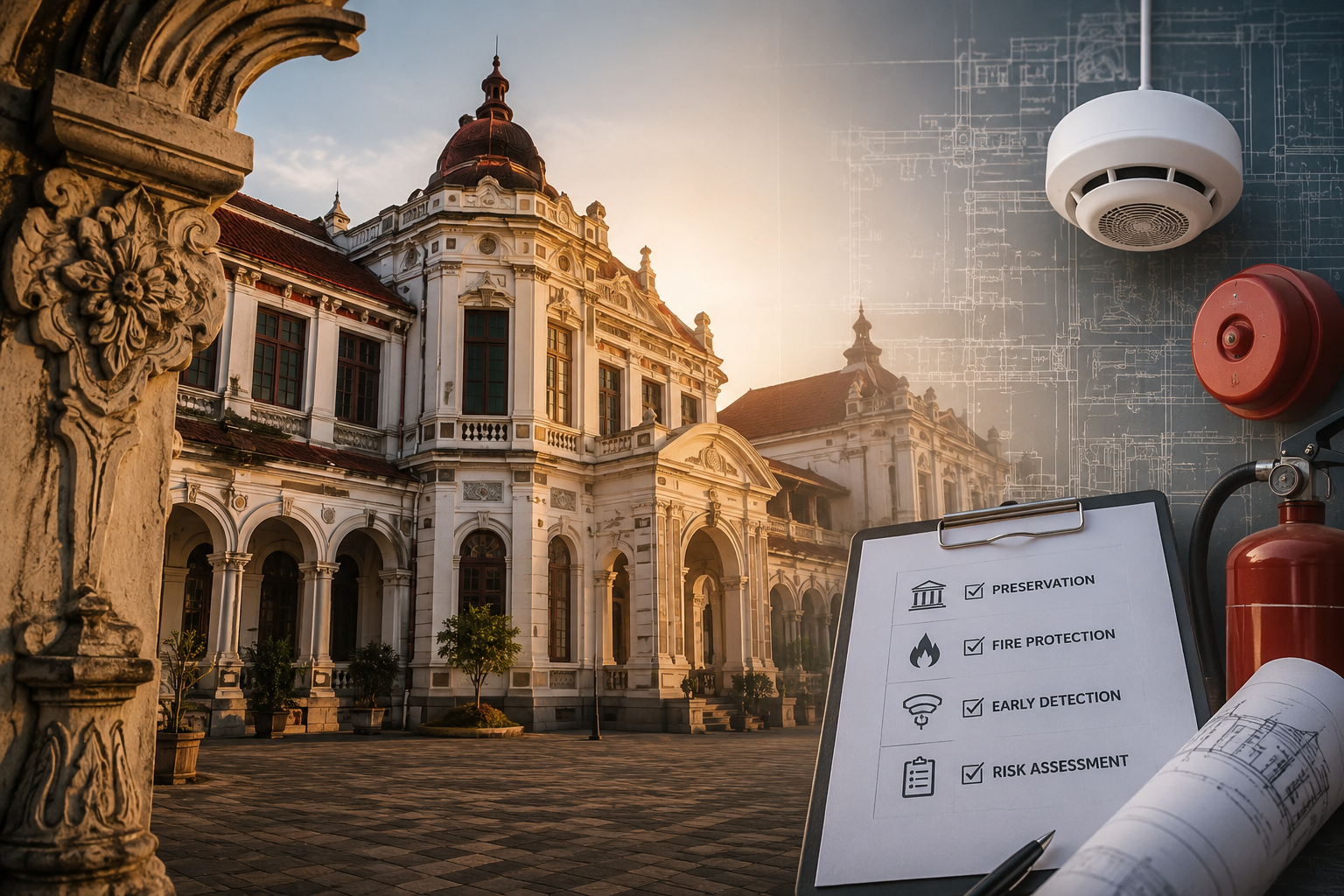
Adapting Fire Protection for Historical Buildings
Read more: Adapting Fire Protection for Historical BuildingsHistorical buildings are irreplaceable cultural assets that reflect a nation’s architectural heritage, traditions, and identity. In Indonesia, centuries-old temples, colonial-era buildings, traditional palaces, mosques, churches, and heritage houses represent an…
-
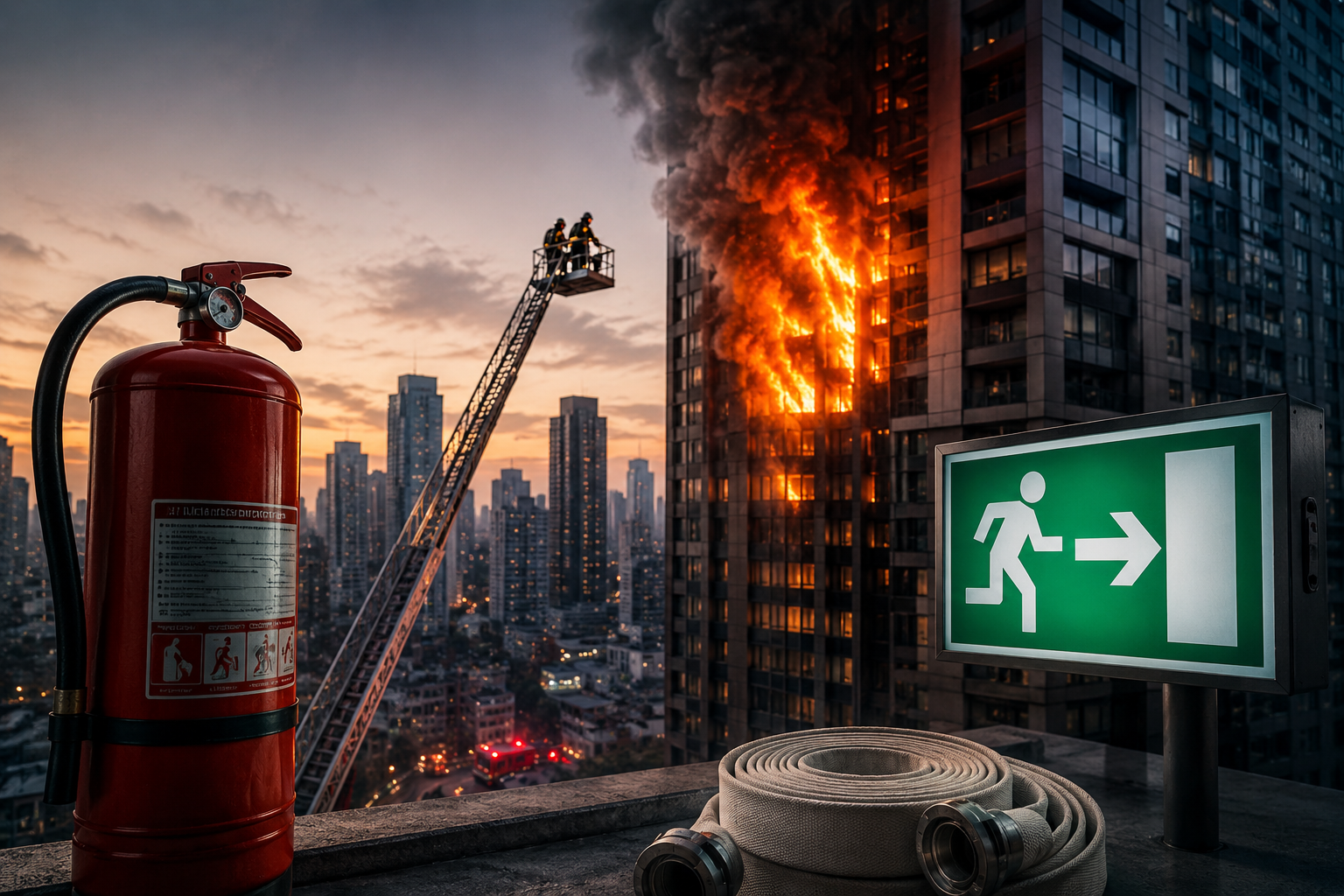
Lessons from Fire Incidents in Urban High-Rise Buildings
Read more: Lessons from Fire Incidents in Urban High-Rise BuildingsAs cities continue to grow vertically, high-rise buildings have become an essential part of modern urban landscapes. From residential apartments and office towers to hotels and mixed-use developments, these structures…
